Contents
The neck often becomes the first place where aging quietly reveals itself. Even people who carefully care for their face may suddenly notice texture changes, deeper creases, and skin laxity appearing below the jawline. When these changes become visible, many search for non-surgical solutions that can restore smoother skin without long recovery.
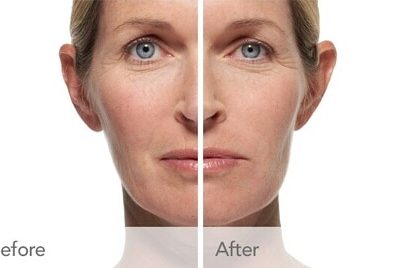
This modern aesthetic treatmen focuses on improving neck wrinkles, restoring hydration, and supporting delicate skin structures. By comparing real before-and-after results, people can develop realistic expectations before deciding whether the treatment is right for them.
The neck ages faster than many other parts of the body because its skin structure is naturally thin. This area contains fewer oil glands and less supportive fat compared with the cheeks or forehead. As a result, the skin gradually becomes fragile and prone to wrinkles. Lifestyle habits accelerate these changes. One of the most common modern causes is tech neck, which forms when people constantly look down at smartphones or laptops.
Repetitive bending of the neck creates horizontal creases that eventually become permanent lines. Environmental exposure also plays a major role. Ultraviolet radiation from the sun weakens collagen fibers, while dehydration reduces skin moisture. These processes contribute to visible neck lines and early skin laxity.
Neck filler is typically an injectable substance used to volumize areas of the neck, primarily areas with deeper folds. Most formulas contain hyaluronic acid, a molecule naturally found in the body that attracts water and improves hydration. The injection helps soften the skin and visible creases by lifting areas where collagen has been lost. Dermatologists commonly use this treatment to target multiple concerns at once.
Typical goals of the procedure include:
Unlike surgery, fillers do not remove excess skin. Instead, they improve the appearance of aging by supporting tissue from underneath.
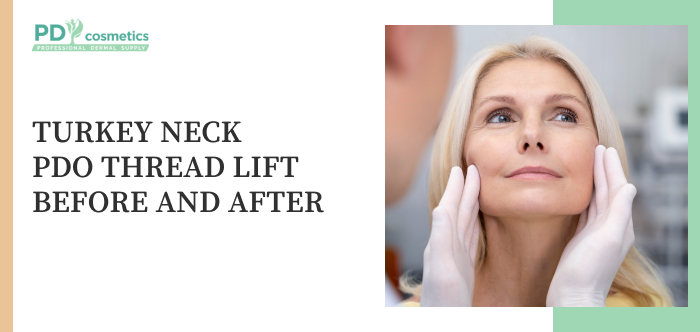
A typical visit begins with a consultation where the healthcare provider evaluates skin thickness, wrinkle depth, and overall structure. The specialist may take photos to compare results later. Before the injections begin, topical numbing cream is applied to reduce discomfort. This preparation step allows the doctor to perform the procedure with minimal sensitivity.
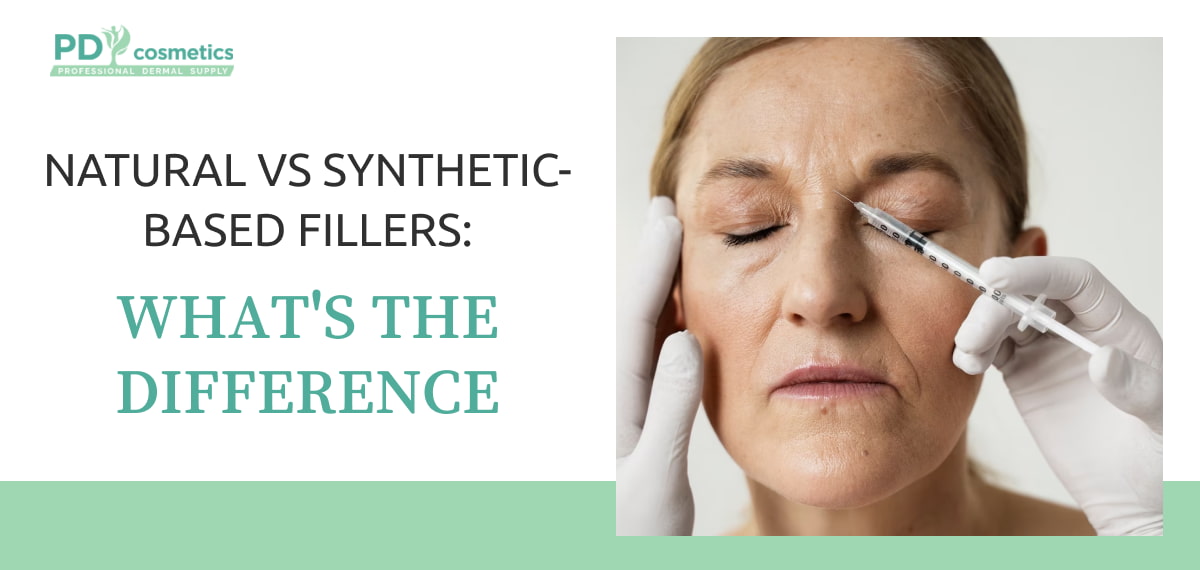
During the session, the dermatologist carefully places filler using a syringe and a specific technique designed for the neck area. Because this region contains delicate structures, precision is essential. Most patients describe the sensation of filler injections as mild pressure or uncomfortable rather than sharp pain. The procedure is minimally invasive and generally completed within 15 to 30 minutes.

After the procedure is completed, the skin may show temporary swelling or redness. In some cases, bruising can occur at the injection sites. These effects are usually minor and fade within a few days. Occasionally, small bumps appear beneath the skin where the filler was placed, but they normally settle as the product spreads evenly. Doctors often provide several short instructions to help the skin recover smoothly:
Most patients return to normal activities immediately after the filler treatment, though minor swelling or bruising is common for a few days. You should avoid extreme heat like saunas, steam rooms, hot tubs, and direct sun exposure after the treatment. Also, apply ice and Arnica gel to ease pain and swelling after the treatment. If necessary take acetaminophen for pain relief.
Before-and-after photos online often show impressive transformations, but results vary from one person to another. Skin thickness, age, collagen levels, and lifestyle all influence the final appearance. Many people notice several changes once swelling decreases. After neck filler treatment, patients often notice a smoother and more youthful appearance in their neck area.
However, improvement can vary depending on how advanced the aging signs are. People with very thin skin or deeper structural changes may see more gradual improvement rather than dramatic transformation. The most noticeable difference often appears after the first week once the filler settles fully into the tissue.
Although fillers can improve many aging signs, they are not designed to correct every concern. Dermatologists evaluate the skin carefully before recommending the procedure. Some conditions may require different treatments or combined approaches. For example, severe laxity or significant skin sagging may require surgery rather than injectable fillers.
Other issues that may influence results include:
A single procedure rarely addresses all aspects of skin aging. Because of this, fillers can be combined with other procedures that target different biological processes. For vertical bands, providers often suggest Botox in addition to or instead of filler. By relaxing the platysma muscle, it improves the effect of fillers.
Skin resurfacing lasers are another complementary treatment. Lasers stimulate collagen production and improve texture damaged by sun exposure. Depending on the patient’s needs, dermatologists may combine several techniques within the same treatment plan.
Patients often consider neck filler a worthwhile investment due to its long-lasting results. In most cases, some neck filler treatments can last between 4 to 12 months depending on the type of filler used:
Factors that may influence how long results last include the injection technique, the depth of wrinkles, and the body’s natural ability to break down filler materials. Regular maintenance treatments can help preserve softer skin for longer periods.
The cost of neck filler treatment varies depending on several factors. The number of doses required, the experience of the dermatologist, and the location of the clinic all influence pricing. During an appointment, specialists often clarify the plan in detail so the patient understands what to prepare for.
Some clinics even present pricing options in a table format to make comparisons easier. A healthcare provider may recommend starting with a conservative amount of filler and adjusting the plan later. This approach helps avoid overcorrection and ensures natural-looking results.
The neck is a delicate anatomical area, which makes professional expertise extremely important. An experienced dermatologist understands how filler behaves in thin tissue and how to avoid uneven distribution. Careful planning allows the specialist to target the most severe wrinkles while preserving natural movement.
The injection technique must also adapt to each patient’s anatomy. People should choose a clinic where the procedure is performed regularly in clinical practice. Experience greatly reduces the risk of complications and improves aesthetic outcomes.
Neck fillers provide a non-surgical option for people who want to address wrinkles and early signs of aging. When performed correctly, the treatment can improve hydration, and overall skin appearance. However, results vary because every person has different skin characteristics. Consulting an experienced dermatologist who buy fillers at trusted medical suppliers helps ensure that expectations are realistic and the treatment plan is tailored to individual needs.
Yes, fillers can soften visible lines and improve skin texture in this delicate area. During an appointment, a specialist can outline whether this option is appropriate or if another approach would be better.
Yes, fillers may soften horizontal lines caused by tech neck, especially when the skin still has moderate elasticity. Some clients also choose to opt for additional treatments to improve overall skin quality.
A qualified provider will assess your skin condition and discuss realistic expectations during the consultation. In many cases,people simply request a professional evaluation to understand possible outcomes.
The procedure is usually performed in a medical center and typically takes less than thirty minutes. Most people find the process quick and not painful, and they can return to normal daily activities shortly afterward.
If placement goes wrong, a specialist can adjust the result or correct it using appropriate techniques. In rare cases, additional aesthetic procedure may be needed to restore balance. Neck fillers are often based on hyaluronic acid, which binds to moisture and can be dissolved if necessary.
No, fillers restore volume and support under the skin, while Botox is best for treating pronounced vertical bands in the neck caused by muscle contraction. Results from Botox typically last for three to four months, while fillers can last about a year. The choice between neck fillers and Botox depends on the type of neck wrinkles present.