Contents
Looking fresher without surgery is possible, but the under eye area is delicate and demands precision. When it comes to softening dark circles, correcting volume loss, and restoring eye hollows, the details matter more than trends. Restylane eyelight has become a popular choice for tear trough filler, yet understanding safety and potential side effects is just as important as seeing before-and-after photos. Here’s what you should know before booking your appointment.
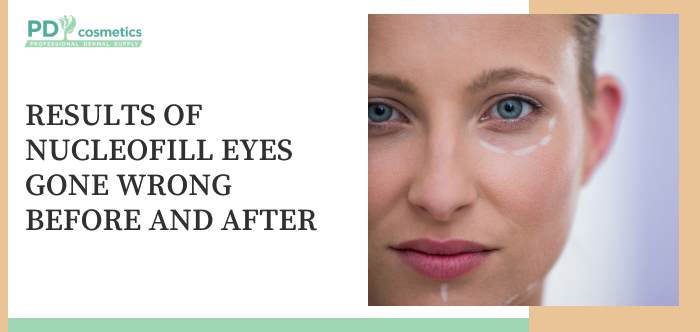
The under eye area is one of the thinnest and most vascular parts of the face. Skin here lacks oil glands, has minimal fat padding, and reacts quickly to changes in hydration or trauma. That’s why volume loss in this zone can make eye hollows appear deeper and dark circles more noticeable, even in younger patients.
Unlike lip enhancement or cheek contouring, working in the tear trough area requires advanced anatomical knowledge. A dermal filler placed too superficially can create visible irregularities, while injection too deep or too close to a blood vessel increases risk. Because this region is prone to swelling, even small amounts of product can significantly affect the treated zone. For these reasons, tear trough filler is considered one of the most technique-sensitive aesthetic treatments performed today.
Restylane eyelight is a hyaluronic acid–based dermal filler specifically designed for the tear trough area. As part of the broader Restylane family, it was developed to address subtle contour deficits beneath the eyes while maintaining softness and flexibility. Its supportive gel structure integrates into tissue without feeling heavy.
Like other hyaluronic acid fillers, Restylane eyelight works by attracting water and adding structural support beneath the skin. This helps smooth the transition between the lower eyelid and cheek, improving the appearance of eye hollows and shadowing. It is formulated differently from products such as Restylane Lyft or Silk, which target other facial zones with different density needs.
Because of its firm gel texture combined with adaptability, Restylane eyelight can smooth wrinkles and refine contours without creating puffiness when injected correctly. The goal is natural results that restore a youthful appearance rather than dramatically altering facial features.
Not everyone with dark circles needs hyaluronic acid eye filler. In some cases, pigmentation or skin laxity is the main issue, not volume loss. The procedure for under eye fillers typically begins with a consultation to discuss aesthetic goals and medical history. You may be a good candidate if you:
Patients taking blood thinners should inform their provider before undergoing filler injections. These blood thinning medications increase bruising risk in the treated area. A full medical history helps reduce adverse reactions and supports patient safety.
It’s equally important to understand that tear trough treatment is not ideal for individuals with significant skin laxity or large fat pads. In such cases, surgical correction may provide optimal treatment instead. Also, individuals with a history of anaphylaxis or allergies to lidocaine should not receive under eye fillers.

A typical session begins with cleansing the under eye area and applying topical numbing cream. Although the region is sensitive, most patients tolerate filler injections well when performed slowly and carefully. The treatment for under eye fillers generally takes around 30 minutes to complete. During the procedure:
Precision is essential because even slight overcorrection can lead to swelling or contour irregularity. Restylane eyelight is often preferred over other dermal fillers in this area due to its refined particle size and integration properties. The treatment area is reassessed immediately to confirm symmetry. In experienced hands, tear trough filler can treat volume loss while maintaining natural movement of the lower eyelid. Patients can typically resume normal daily activities immediately after the treatment.
Like all cosmetic procedures, tear trough filler comes with potential side effects. Most are mild and temporary, especially when hyaluronic acid fillers are used:
These responses are expected as the body adjusts to the dermal filler. Most side effects from Restylane fillers typically resolve within a week or two after treatment. Proper post treatment care, such as avoiding intense exercise and minimizing pressure on the under eye area, helps reduce downtime. Because Restylane eyelight is part of the hyaluronic acid fillers category, it can be dissolved if needed, adding an additional layer of safety compared with some other facial fillers.
While rare, severe issues can occur if filler is improperly injected. One of the most discussed risks is vascular occlusion, which happens when filler obstructs a blood vessel. This can compromise blood flow and requires immediate medical attention. Signs of vascular occlusion include:
Although severe reactions are uncommon, prompt intervention is critical. Experienced practitioners are trained to recognize early warning signs and administer corrective treatment quickly. Granulomas can form as a specific inflammatory reaction to fillers, characterized by the accumulation of immune cells at the injection site. Other potential risks include filler migration, persistent swelling, and in rare cases, severe complications involving surrounding tissue.
Severe reactions like allergic responses can occur with Restylane fillers, though they are rare. Patients with a history of allergic reactions should discuss concerns during consultation. Most modern hyaluronic acid fillers are biocompatible, yet screening remains essential. To enhance patient safety, providers should:
Restylane eyelight has been specifically developed for tear trough filler applications, which differentiates it from products primarily intended for cheeks or nasolabial folds. Its supportive gel allows subtle correction without excessive tissue pressure.
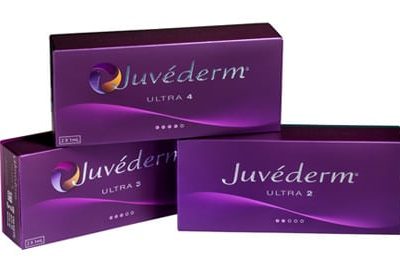
Many patients ask how Restylane eyelight compares to Juvederm injections or other dermal fillers. While both are hyaluronic acid fillers, their viscosity and spread differ. Restylane eyelight is tailored for tear trough filler, whereas other eye fillers may have thicker or more volumizing properties.
Products like Restylane Lyft are designed for deeper structural support, not the delicate under eye area. Restylane Silk is commonly used in lip augmentation rather than for eye hollows. Compared with other eye fillers, Restylane eyelight provides a balanced lift that avoids heaviness. Within the Restylane family, it occupies a niche role focused on under-eye rejuvenation and refinement.
Restylane fillers can last from six to eighteen months, depending on the specific product used and individual factors. Because hyaluronic acid fillers integrate gradually, subtle collagen production may be stimulated over time, improving skin quality. Patients are often scheduled for a follow-up appointment about two weeks after the treatment to assess results and determine if additional filler is needed. The treated area should always be reassessed before additional product is added.
Gradual adjustments produce optimal results and maintain natural facial harmony. Repeated Restylane injections must be approached carefully. Although dermal filler is temporary, excessive accumulation can distort contours. Responsible planning is key to preserving a youthful appearance without looking overfilled.
Achieving high-quality results with tear trough filler depends on technique, product choice, and candidacy. Here’s how to reduce complications:
Patients should avoid exposing the treated area to heat, such as sunbathing or saunas, until any signs of inflammation have disappeared. If you experience severe pain, vision changes, or spreading discoloration, seek immediate medical attention. Early management prevents severe complications such as vascular occlusion. When performed correctly, Restylane eyelight can treat volume loss in the under eye area safely. It is considered one of the more refined options within aesthetic treatments for addressing hollows.
Tear trough filler can soften dark circles, reduce the look of eye bags, and improve tired looking eyes. However, it does not change skin pigmentation dramatically or eliminate every shadow. Patients with clear expectations are more satisfied with results.
The goal is subtle refinement, not dramatic transformation. Tear trough filler works best when used to restore structure rather than mask unrelated concerns. A careful assessment ensures that tear trough treatment is truly the right choice.
Restylane eyelight offers a targeted solution for under eye area concerns when placed with precision. While potential side effects and adverse reactions exist, serious outcomes are rare under skilled hands. By choosing an experienced provider and understanding both benefits and risks, patients can approach tear trough filler confidently and responsibly.
Yes, if the shadows are caused by volume loss rather than pigmentation. In such cases, Restylane filler injections can smooth the transition under the eyes and reduce the appearance of darkness.
A filler treatment involves placing a small amount of hyaluronic acid gel beneath the skin to restore structure and soften hollows.
When performed by an experienced injector, eye fillers are generally safe. As with any procedure, mild side effects like swelling or bruising may occur.
The amount varies by patient anatomy. Most providers recommend starting conservatively during Restylane treatments and adjusting if necessary.
Many patients need one syringe or less for subtle correction. The exact number depends on the depth of volume loss and overall treatment goals discussed during the filler treatment.
Yes, strategically placed product can lift and smooth depressions. This helps create a more refreshed contour under the eyes.
Filler can improve the shadow caused by mild bags, but it does not remove fat pads. A proper assessment is essential to determine suitability.