Contents
Hair thinning can affect confidence, self-image, and everyday comfort long before it becomes medically severe. Modern regenerative medicine now offers more personalized approaches that go beyond shampoos or temporary cosmetic fixes. Among the emerging options, hair growth peptides are attracting attention because they target biological activity inside the follicle rather than simply masking symptoms. These injectable compounds are being explored for several forms of shedding, especially when patients want minimally invasive procedures that may promote hair growth while supporting stronger strands over time.
The causes of thinning vary significantly from person to person, which is why treatment outcomes differ so widely. Some individuals inherit follicular sensitivity to hormones, while others develop shedding because of stress, illness, nutritional imbalance, or immune dysfunction. Many specialists now focus on creating therapies that can support healthy hair growth by improving the environment around the follicle instead of relying on a single universal solution.
At the biological level, hair follicles depend on proteins, nutrients, and signaling molecules to stay active. Certain injectable formulations contain short chains built from amino acids, which participate in cellular communication and tissue maintenance. Researchers believe these compounds may influence overall hair health through mechanisms linked to repair and regeneration.
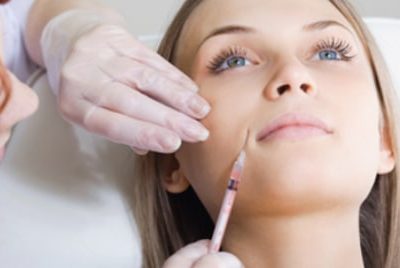
Unlike oral supplements that circulate through the entire body, injections deliver active compounds directly into targeted areas. This localized approach aims to influence the follicular environment where regeneration begins. Many specialists use formulas containing copper peptides because they are associated with repair signaling and improved tissue quality.
Healthy follicles require balanced circulation, oxygen delivery, and resilient skin structure. Better scalp health can increase the likelihood of maintaining viable follicles capable of producing stronger strands. Researchers are especially interested in how peptide-based compounds may encourage new hair growth by supporting cell communication around weakened roots.
Several regenerative clinics classify these injections among advanced hair loss treatments because they attempt to reactivate inactive hair follicles instead of only slowing shedding. Patients seeking to regrow hair often combine injections with lifestyle adjustments and nutritional support for more comprehensive management.
A follicle depends on interactions between skin cells, connective tissue, and the surrounding microenvironment. Treatment protocols frequently focus on the entire hair and scalp ecosystem rather than isolated follicles alone. Some experts believe injections may help repair damaged hair follicles that still retain partial activity.
Another important factor is the hair growth cycle, which includes resting, transition, and active production stages. Peptides are being investigated for their ability to extend the growth phase, allowing follicles to remain productive for longer periods. Visible improvements in hair density and reduced shedding may occur within 3 to 6 months of consistent peptide treatment.
One reason these injections receive attention is their regenerative focus. Certain formulations are designed to stimulate collagen production, helping reinforce the structural matrix surrounding follicles. Others incorporate keratin peptides, which are linked to strengthening weak strands and supporting shaft resilience.
Potential advantages may include:
Modern peptide-based therapy is often described as a signaling-based approach because many compounds act like biological messengers. Instead of forcing follicles into activity, clinicians aim to create conditions favorable for hair regrowth. These molecules may serve as biochemical building blocks that help maintain tissue integrity around weakened roots.
Researchers are also examining how injections interact with aging cells that no longer communicate efficiently. In some studies, peptides appeared to influence local blood circulation, which may improve nutrient delivery to vulnerable follicles. Enhanced circulation can also support collagen synthesis, reinforcing the connective framework beneath the skin surface.
Certain compounds are additionally being explored for their ability to reduce inflammation around follicles affected by chronic irritation. This matters because inflammatory activity can interfere with normal regeneration.
Traditional lotions and serums remain popular because they are convenient and relatively affordable. However, absorption through the skin barrier can be inconsistent, particularly in individuals with significant thinning or reduced follicular activity.
Injectable peptides can achieve tissue concentrations 10-20 times higher than topical applications, which may enhance their effectiveness for hair restoration. Many formulas are developed around biologically active growth factors or laboratory-designed signaling molecules. A carefully selected synthetic peptide may remain stable longer than some naturally derived ingredients found in over-the-counter formulas.
Some clinicians believe injections may support healthier blood vessels around weakened follicles. Improved circulation can assist nutrient transport and oxygen delivery. Researchers are also investigating whether treatment can encourage formation of new blood vessels, potentially improving long-term follicular support.
Additional benefits sometimes discussed in regenerative clinics include:
Despite their potential, injections are not perfect. Sessions are more expensive, require appointments, and may cause temporary discomfort. Topical formulas remain attractive because they are accessible and easier to incorporate into daily routines. For some patients, a combined strategy works best. While injections target deeper structures, external products can protect the surface environment and maintain hydration between treatments.
The strongest outcomes often come from multimodal care rather than a single intervention. Specialists increasingly combine peptide injections with biologic therapies to create a more optimal environment.
One common partnership involves platelet rich plasma, commonly called PRP. During this procedure, concentrated platelets from the patient’s own blood are injected into thinning regions. PRP contains signaling molecules and regenerative proteins that may complement peptide activity.
Stem-cell-based procedures are also being explored in advanced clinics. Researchers hope these approaches can influence dormant follicular niches and stimulate repair pathways more effectively than isolated treatments alone.
Some peptide compounds demonstrate notable antioxidant properties, which may help defend tissues from oxidative stress linked to premature follicular aging. When combined with PRP or stem-cell support, practitioners aim to create a biologically favorable setting for recovery.
Combination programs may be especially useful for patients whose shedding is associated with hormonal changes, chronic stress, or inflammation. Certain formulas use copper ions to assist cellular signaling and support regenerative activity around follicles. At the cosmetic level, peptides are increasingly incorporated into serums and masks as multifunctional cosmetic ingredients.
Peptides are generally considered safe, but individual tolerance can vary, and some may experience side effects such as allergic reactions or skin irritation. Researchers sometimes monitor local inflammatory markers during clinical evaluation to better understand how tissues respond after treatment.
Injection site reactions such as redness and swelling are common side effects of peptide injections for better hair growth. Some users may experience mild headaches, dizziness, or fatigue as systemic side effects of peptide therapy.
Unlike instant cosmetic fixes, regenerative care develops over time. Patients often need several sessions spread across a few weeks or months before meaningful progress becomes apparent. Researchers continue exploring how peptides influence cellular signaling and even gene expression related to follicular activity.
Although injections are increasingly popular, some individuals still prefer topical applications because they fit easily into daily routines. Scientists are studying how exactly peptides work within different follicular environments and which formulations deliver the strongest response.
Clinics currently experiment with multiple compounds, but the definition of the best peptides varies depending on patient needs and treatment goals. Some formulas focus on circulation, while others emphasize anti-inflammatory support or tissue remodeling.
Current evidence remains encouraging but incomplete. While studies suggest potential improvements in density and resilience, large long-term clinical trials are still limited. Many specialists believe peptides may reinforce structural support around follicles while improving tissue quality beneath the skin. Most practitioners emphasize consistent use of maintenance protocols even after initial improvement appears.
GHK-Cu, a copper peptide, has been shown to improve scalp circulation, reduce inflammation, and provide growth factors essential for healthy hair production, making it a popular choice for hair growth treatments. Researchers believe it may help stimulate repair pathways while supporting extracellular matrix stability. GHK-Cu has been documented to increase collagen production by up to 70%, which is essential for maintaining the structural integrity of hair follicles and promoting healthy hair growth.
Some experts attribute part of its activity to interactions involving medical supervision and carefully calibrated delivery techniques. Although research continues, many clinicians agree that peptides may offer meaningful support when integrated into broader restoration strategies rather than used as isolated miracle cures.
Peptide injections represent a modern direction in regenerative hair care, especially for individuals seeking alternatives to conventional medications or surface-level cosmetic products. By targeting follicular signaling, circulation, inflammation, and tissue quality, these therapies may provide valuable support for people dealing with hereditary thinning, stress-related shedding, or inflammatory scalp conditions.
Results vary between individuals, but combination approaches involving PRP, stem-cell procedures, and carefully selected supportive products appear especially promising. As research continues to evolve, medically guided peptide-based protocols may become an increasingly important part of advanced follicular restoration programs.
Many patients notice gradual changes in fullness and texture because some formulas contain hair growth peptides that support follicle activity.
These compounds are valued for their anti inflammatory properties, which may help calm scalp irritation and support healthier follicles.
Healthy scalp tissue often depends on moisture balance and elasticity, and some treatments combine peptides with hyaluronic acid for additional support.
Improved circulation may deliver more oxygen and nutrients to follicles, while keratin peptides can help strengthen weak strands.
Stronger connective tissue around follicles may contribute to improved density over time.
These signaling molecules may work together with hair growth peptides to support follicle regeneration and repair.
Some regenerative treatments are designed to promote hair growth in individuals experiencing hereditary thinning patterns.
Researchers believe peptide-based treatments may influence cellular activity linked to hair loss and follicle performance.
Different formulas work in different ways, but many specialists include copper peptides in advanced restoration protocols.