Contents
The growing demand for non-invasive cosmetic procedures has made treatments for hooded eyes more popular than ever. Many patients want a fresher and more open appearance without undergoing major surgery or long recovery periods. Among the available cosmetic options, PDO thread lifts have become widely discussed because they can create subtle lifting effects while supporting firmer skin over time.
The eye area is one of the first parts of the face to show visible aging changes. As the skin gradually loses firmness, people may notice moderate sagging eyelids, puffiness, and a heavier upper eyelid appearance. In some cases, genetics also play a major role in creating hooded lids, even in younger individuals.
A hooded appearance develops when extra skin folds over the crease of the eyelid. Over time, factors such as sun exposure, stress, and collagen loss may worsen this condition. In addition, weakened tissues can contribute to drooping skin near the brows and temples.
The delicate skin surrounding the eyes is especially vulnerable because it is extremely thin and sensitive. People with thin skin around the eyes may notice aging signs earlier than others. The region also experiences repeated movement from blinking and facial activity throughout the day. Several common factors accelerate aging around the eyes:
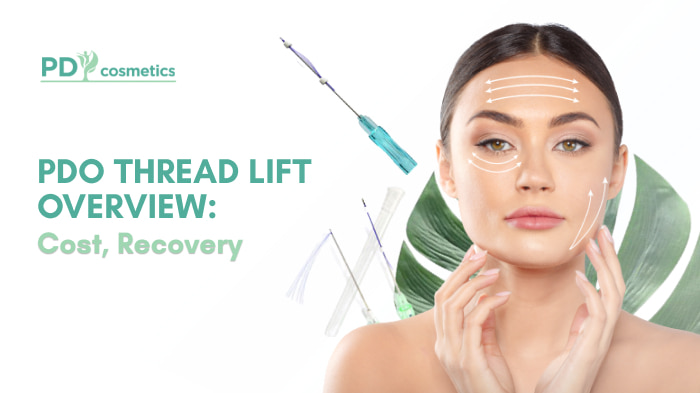
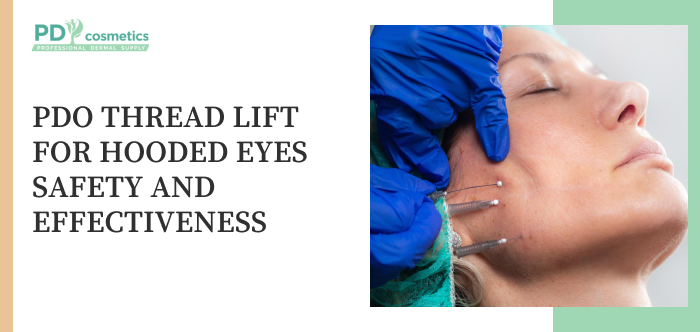
A PDO thread lift eyes procedure uses dissolvable sutures placed beneath the skin to create support and lifting effects. The threads are inserted strategically to elevate tissue near the brows and upper eyelids while encouraging long-term rejuvenation. The treatment works through the body’s natural healing process, which reacts to the threads by producing more collagen in the treated area. As collagen production rises, patients may notice firmer and smoother skin over time.
The procedure typically begins with a consultation where the provider evaluates facial structure, eyelid heaviness, and overall skin quality. After preparation, a local anesthetic is applied to maximize comfort during the session. During the procedure, practitioners use biodegradable threads to reposition tissues and support the upper facial area. Over time, the threads dissolve, but the newly formed collagen remains for several months.
Important effects associated with the treatment include:
One of the most requested variations today is the fox eye thread lift procedure. This method focuses on lifting the outer corners of the eyes to create a more elongated and elevated appearance. Unlike the surgery, thread-based procedures do not permanently alter facial structures. Instead, they provide a temporary enhancement that can complement the patient’s existing features and natural eye shape.
The popularity of the fox eye lift trend comes from its ability to create subtle enhancement without extensive recovery periods. Many patients prefer this treatment because of many advantages:
The treatment generally works best for patients experiencing mild to moderate tissue laxity rather than severe aging changes. Ideal candidates for PDO thread lifts are typically individuals aged between 30 and 60 years, as this age range often experiences mild to moderate skin laxity. Patients with severe skin laxity may require more advanced interventions.
Doctors usually evaluate several factors before recommending treatment. Every patient has a unique facial anatomy, which affects thread placement and expected outcomes:
Patients who hope to completely fix hooded eyelids with a thread procedure alone may need additional treatments for desired lift. Individuals with severe skin laxity, active skin infections, blood-clotting disorders, or autoimmune conditions are generally advised against undergoing PDO thread lifts.
The eye area requires precision because of its sensitivity and complex structure. Most side effects like mild swelling are temporary and improve within several days or weeks. Temporary results of PDO thread lifts may include thread migration, visible irregularities, or asymmetry due to improper placement.
Improper placement or poor healing can lead to unsatisfactory results. Some patients may experience complications from PDO thread lifts, including visible thread knots, dimpling, or skin puckering, particularly if the skin is thin. Potential risks may include:
Patients undergoing a PDO thread lift are advised to avoid strenuous activities, facial massage and rubbing for one week post-procedure. Serious complications from PDO thread lifts are rare, occurring in less than 2% of cases when performed by qualified professionals, but can include infection or allergic reactions.
Because the treatment requires relatively little recovery time, many people return to normal activities within a few weeks or sooner. Some patients may benefit from follow up treatments to maintain the lifting effect. The frequency of maintenance sessions depends on age, skin condition, and individual aesthetic goals.

In some situations, combining PDO eye threads with additional procedures can create more balanced and effective outcomes. Providers may recommend pairing thread procedures with skin rejuvenation methods depending on the patient’s goals. For example, some individuals also benefit from dermal fillers to restore volume around the temples or improve tear trough hollows. Others may combine the procedure with a non-surgical brow lift for greater upper-face enhancement.
Practitioners sometimes suggest complementary procedures because threads alone cannot correct every concern. Patients with pronounced fat deposits or under eye bags may need alternative solutions:
These combined approaches may further support collagen synthesis and enhance overall facial rejuvenation.
One of the most common questions patients ask concerns longevity. Results from a PDO thread eyelid lift are usually visible immediately after the procedure, with continued improvement over the following weeks as collagen production increases. The results from thread lift treatments usually last between 12 and 18 months depending on age, lifestyle, and skin condition. Although the threads disappear naturally, the treatment can still help stimulate collagen production long after placement.
Several variables determine how long results remain visible. Patients with stronger baseline tissue support often maintain improvements for longer periods:
Many patients compare thread procedures with surgical eyelid correction before making a decision. While traditional surgery may provide more dramatic and long-lasting results, it also involves longer recovery and greater expense. Thread procedures focus on subtle enhancement and a natural lift rather than extensive structural alteration. For this reason, they are often recommended for younger patients or those with early aging signs.
Surgical procedures may better address heavy folds, major eyelid drooping, or extensive tissue changes. However, thread procedures remain attractive because they are less invasive and involve fewer disruptions to daily life.
Important distinctions include:
Thread-based eye rejuvenation procedures continue to gain popularity because they offer a subtle and convenient way to address early signs of aging around the eyes. PDO threads offer lifting support, collagen enhancement, and facial rejuvenation without the extensive downtime associated with surgery. While the treatment can improve mild hooding and brow descent, successful outcomes depend on patient selection, practitioner experience, and maintaining realistic expectations.
A fox eye thread lift is a cosmetic procedure that lifts the outer eye area to create a more elongated and lifted appearance. It is considered a minimally invasive option for patients seeking subtle enhancement without surgery.
The fillers may restore lost volume around the temples or under-eye area to create a more balanced facial appearance. Not only that, fillers are sometimes combined with thread procedures for more comprehensive rejuvenation.
Yes, PDO eye threads can help tighten mild skin laxity by creating support beneath the skin. They also stimulate collagen production, which improves firmness over time.
A brow lift may provide more dramatic and long-lasting correction for severe sagging. However, thread procedures are often preferred by patients who want shorter recovery and fewer risks than other treatments.
It usually involves permanent structural changes and a longer recovery process. In contrast, thread procedures are typically performed using local anesthetic and require less downtime.