Contents
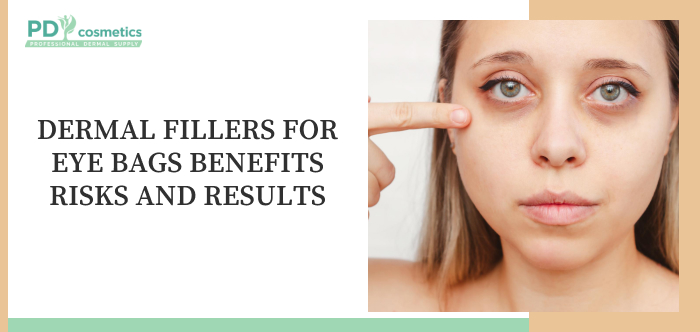
When it comes to skin aging, the under-eye area is definitely one of the most easily affected facial regions. The skin around the eyes is the thinnest on the face, therefore it requires careful handling to eliminate age-related concerns without harming patients.
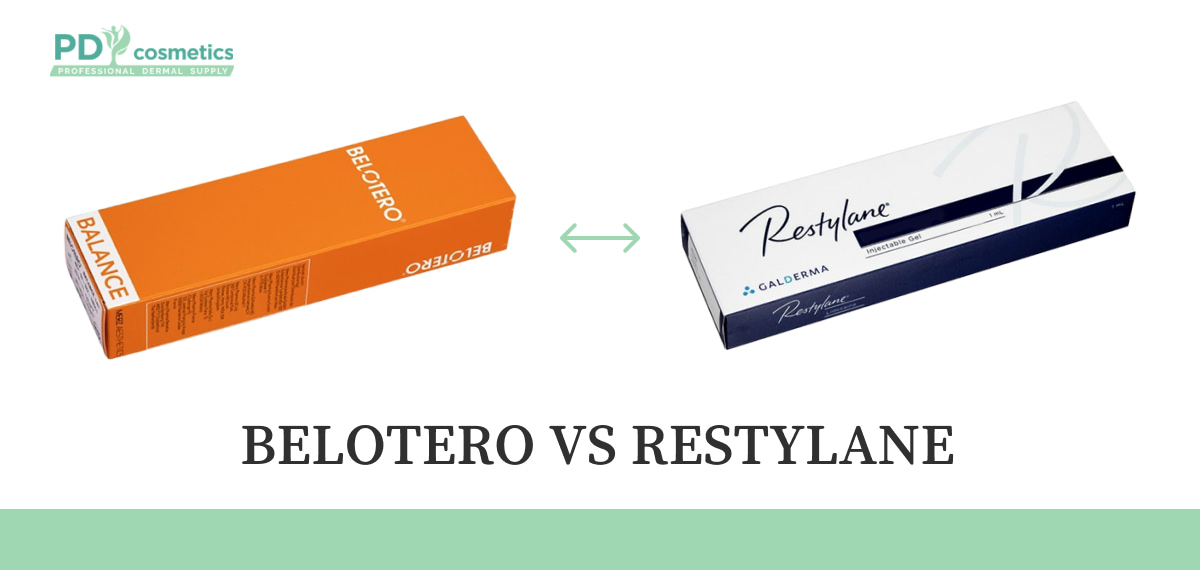
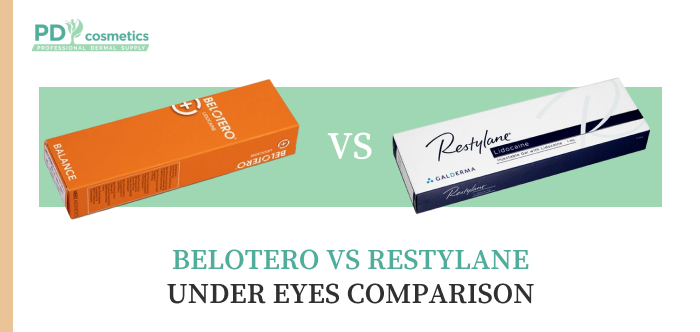
Among the variety of treatment options in aesthetic medicine, hyaluronic acid dermal fillers are the safest for the under-eye area. As HA is a naturally occurring substance with a softer consistency, it can be handled quite well and molded under the skin to provide a desired effect without the risk of severe adverse reactions. As for brands that offer the best dermal injectables for the under-eye area, both Belotero and Restylane are magnificent options. They are safe, long-lasting, and provide natural-looking results for delicate skin around the eyes. Below, you will find a detailed comparison of the two products, along with some basic information to help you better understand the brands.
Restylane and Belotero are dermal filler brands designed to provide a youthful appearance and address age-related skin imperfections, such as volume loss, fine lines and wrinkles, and lost facial contours. They may also be used for plumping lips and enhancing lip contours. Both brands offer a variety of injectables to deliver subtle results and help patients achieve the goals they set before treatment.
In this section of the article, we will discuss the essentials of both Restylane and Belotero and explain why they have an excellent reputation among specialists in the cosmetic beauty sphere.
Belotero dermal filler is the creation of Merz Aesthetics. This soft, cohesive gel is quite easy to manipulate during the treatment, thus medical professionals are able to provide a superficial placement of the product to smooth out aging signs and achieve noticeable, yet subtle rejuvenating results.
The product has received its FDA approval to be used in aesthetic treatments: battling fine lines, smoothing smile lines and nasolabial folds, and generally improving skin quality. Belotero is known for its ultra-smooth consistency, making it ideal for treating fine lines and delicate areas, particularly under the eyes.
The Belotero brand includes these products: Belotero Soft (for fine lines), Belotero Balance (for moderate wrinkles), Belotero Volume (to define facial contours), Belotero Revive (for skin hydration), and others.
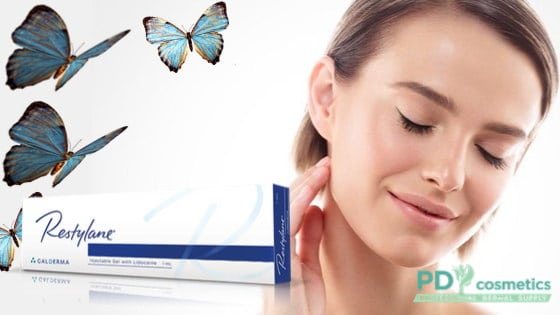
Restylane is another hyaluronic acid-based dermal filler used for facial rejuvenation in aesthetic medicine. Unlike Belotero, it’s often used for thicker skin, such as cheeks or chin. Restylane has a firmer, gel-like consistency that makes it suitable for enhancing facial structure and restoring lost volume, particularly in areas requiring more significant lift.
If compared to Belotero, this product is able to provide a more prominent volume correction, yet still blend seamlessly while preserving a natural facial structure. Restylane provides better structural support for moderate to severe tear trough hollows.
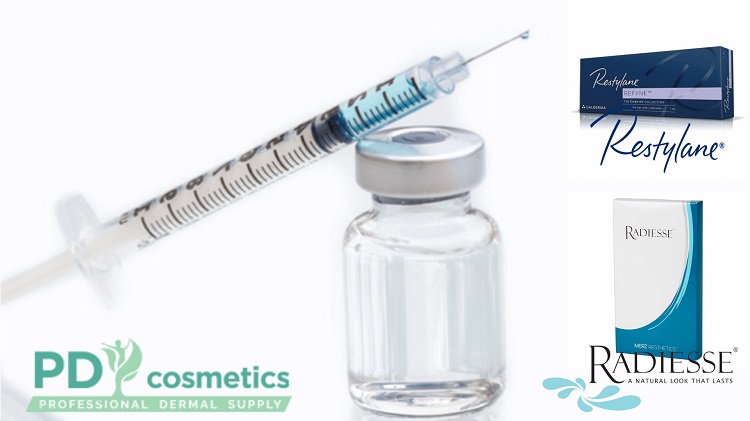
The Restylane brand includes these products: Restylane Lyft (to restore facial volume), Restylane Kysse (for lip enhancement), Restylane Refyne/Defyne (for smile lines and wrinkles), Restylane Contour (for facial sculpting).
As you already understand, both Belotero and Restylane are unique products with distinct features that should be highlighted to choose the best solution for a patient’s needs after conducting a thorough consultation. Here, we will compare essential criteria to ensure the two brands are not confused:
Yes, hyaluronic acid fillers are the best injectables for delicate skin around the eyes. They are smooth and easy to administer, settle under the skin naturally, and can be dissolved in case the results don’t turn out as expected.
Restylane is often better for deeper under-eye hollows due to its firmer and more structured nature. Belotero is often preferred for its ultra-smooth consistency and lower risk of the bluish discoloration known as the Tyndall effect. A layering approach, using a firmer filler like Restylane deep against the bone for lift and a softer filler like Belotero superficially, is often used by practitioners.
The under-eye area generally retains filler longer than more active facial areas, with many clients needing maintenance treatments just once or twice a year to maintain their refreshed look. Belotero typically lasts between 6 to 9 months, while Restylane Eyelight can last between 12 to 18 months, depending on individual factors such as metabolism and injection technique.
Both products have similar treatment protocols, but there are still some essential differences in terms of administration technique. That’s why we will talk about each crucial step of the treatment in more detail to create the full picture of the experience that patients can expect with either Restylane or Belotero:
#1. Consultation in the doctor’s office. A pre-treatment appointment is required to evaluate the skin condition, define the procedure’s goals, calculate the dosage, and tailor a treatment plan according to a client’s unique needs. Another crucial thing to discuss is limitations. Restylane and Belotero are not recommended for individuals with severe allergies, autoimmune conditions, skin damage, or wounds in the treated area. Pregnant and breastfeeding women must communicate the planned treatment with their doctor to ensure this type of procedure is safe for them
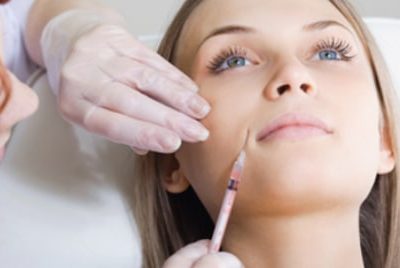
#2. The injection session. The injection itself is a quick procedure that lasts around 30 to 45 minutes. The target area must be thoroughly cleaned prior to the procedure. A specialist may apply a topical numbing cream to the area upon request if patients have low pain tolerance or are concerned about discomfort during treatment. During the administration, professionals use an ultra-thin needle to make the procedure easier.
#3. Recovery. Both fillers can cause temporary side effects like bruising or redness, but they are generally safe for the under-eye area. All adverse effects subside within a few hours to a few days after the injection session. It is recommended to avoid sun exposure and strenuous activities until all side effects subside fully. A specialist must be informed if any complications develop after the injection session.
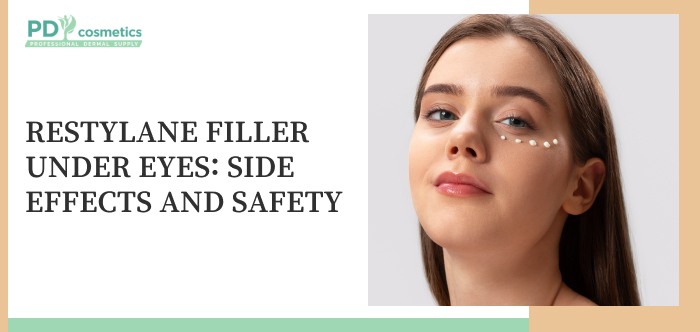
Common side effects of under-eye fillers include temporary swelling, bruising, and tenderness, which typically resolve within a week. The healing journey may be faster if aftercare recommendations are followed at home. Specialists recommend applying an ice pack to reduce swelling, pausing blood-thinning medications and supplements to prevent bruising, and always wearing sunscreen to protect sensitive skin from harmful UV damage.
Note: Hyaluronic acid fillers, including Belotero and Restylane, are generally reversible with hyaluronidase, allowing for adjustments if results are not as expected.
If dermal filler injections are not suitable for patients’ goals, other options can be considered as well. One of the best alternatives to fillers is fat grafting. For this cosmetic treatment, fat is extracted from other parts of the body and later administered for aesthetic purposes (in this case, under-eye hollows reduction). This procedure can provide longer-lasting results, but it’s also invasive, so a longer recovery period is expected. It is effective, but Belotero and Restylane remain better, less invasive options, if that’s what patients look for in their treatments.
To achieve one’s goals perfectly and provide a desired look, it is important to pick the right dermal filler. That’s why pre-treatment consultations are so important – to know exactly how to plan. Here are some things that should help you choose between Belotero and Restylane:
When comparing Belotero vs. Restylane for under-eye injections, both dermal fillers offer unique benefits. Belotero is often chosen for its smooth, subtle finish in the delicate under-eye area, while Restylane may be better suited for patients who need added volume and support in firmer areas of the face.
The right option depends on patients’ skin quality, facial anatomy, under-eye concerns, and aesthetic goals. If you’re considering treatment for under-eye hollows, fine lines, or wrinkles, speak with a qualified practitioner who can assess your needs, explain potential side effects, review how long results may last, and discuss whether Belotero, Restylane, or alternatives such as fat grafting are appropriate.
Understanding the differences between these options can help you make a more informed decision and feel confident about your facial rejuvenation plan. With the right approach, under-eye treatment can help create a smoother, fresher, and more youthful appearance.
Belotero is generally preferred for very thin and delicate under-eye skin due to its softer consistency and ability to integrate smoothly into superficial layers, reducing the risk of visible irregularities.
Yes, in some cases practitioners use a combination approach. A firmer filler like Restylane may be placed deeper to provide structural support, while a softer filler like Belotero can be injected more superficially to refine the final appearance.