Contents
Dermal fillers add volume, while skin boosters are usually associated with hydration. Biostimulators sit elsewhere because their main role is stimulating collagen production rather than creating obvious instant fullness. The distinction is not absolute: some biostimulator injectables are also classified as non-HA fillers, but in facial aesthetics they are often treated as a separate approach.
A biostimulator treatment is an injectable treatment intended to stimulate the body’s natural production of structural proteins. Instead of relying mainly on hyaluronic acid HA to fill a fold, it encourages fibroblast activity so tissue can produce collagen and elastin more actively. As the body’s natural collagen production rises, new collagen can gradually improve support, skin texture and skin volume.
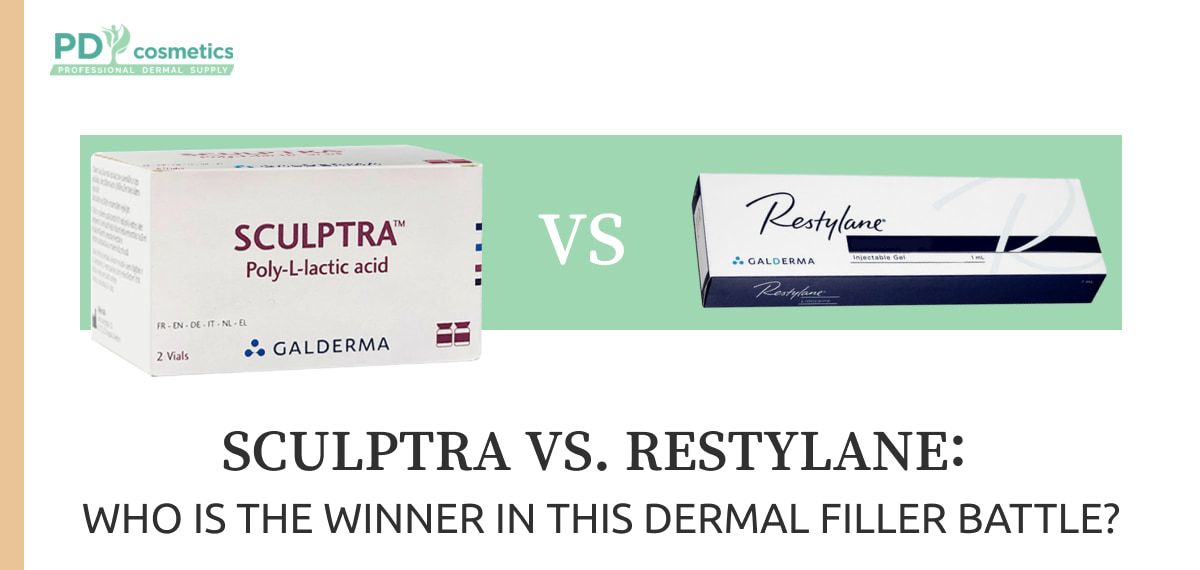
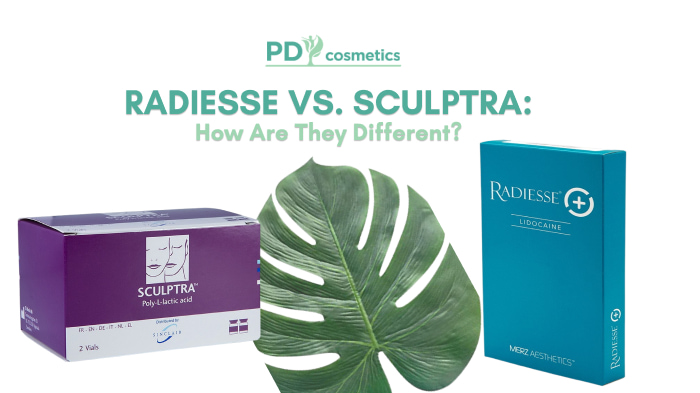
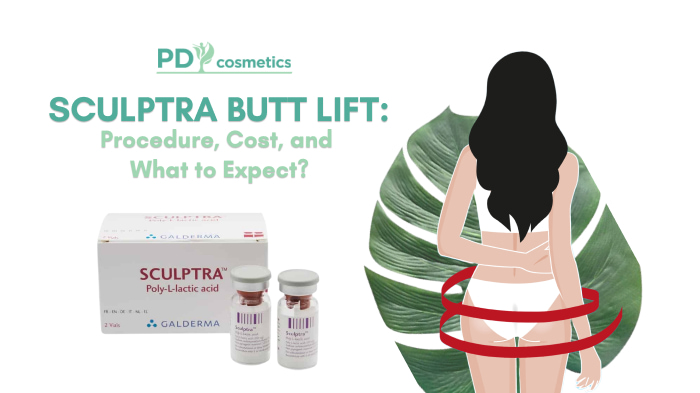
Common materials include calcium hydroxyapatite and poly-L-lactic acid. Some provide early support, while others act mainly as a collagen stimulator, so the choice depends on skin type, skin condition and treatment area. The goal may be to improve skin quality, soften volume loss or strengthen contours of the face rather than simply restore volume.
Biostimulators may be considered for:
Biostimulators work by creating a controlled stimulus inside tissue and supporting the production of collagen over time. Collagen levels change over several weeks, so this is not a treatment built around instant gratification. Temporary swelling or fullness can appear first, but immediate results are not the finished result.
After a few weeks, the skin may begin to feel firmer as longer term improvements develop. The aim is usually a natural looking enhancement rather than a suddenly filled face. Long lasting results vary by product, area and individual response.
A typical timeline may look like this:
Biostimulators are not designed to correct every visible sign of aging in the same way. They tend to make the most sense when the problem is connected with declining firmness, thinning tissue or a gradual loss of structural support. A face that looks slightly less defined around the cheeks or jawline, for example, may need a different approach from a single deep fold that requires precise filling.
They can also be useful when the skin itself has started to look less dense or resilient. Rather than masking one wrinkle, the treatment works across a broader area, which is why changes may appear more diffuse: the surface can look smoother, contours may become a little firmer, and the transition between different areas of the face may look softer. This does not mean that biostimulators lift severely loose tissue or replace surgery.
There are also limits to what they can achieve. Very deep folds, major volume deficits or strongly defined structural changes may still require fillers, energy-based procedures or surgical correction. A good treatment plan starts by identifying whether the main issue is skin quality, tissue laxity, missing volume or a combination of several things.
The key differences are mainly about purpose. Traditional fillers are useful when precise facial volume or contour is needed, while biorevitalization generally focuses more on hydration and superficial skin quality. Biostimulator injections are chosen when the aim is to improve skin quality through gradual tissue support.
In practical terms:
A practitioner may combine biostimulators with filler, energy-based procedures or other aesthetic treatments when different issues need different tools. In aesthetic medicine, products work at different depths and should not be stacked without a clear reason. Planning matters around marionette lines, wrinkles and areas where skin sagging can resemble simple volume loss.
Cheeks, temples, jawline and the lower face are common areas discussed for biostimulation. The aim can be to support facial contours, improve skin texture and create a more youthful appearance without dramatically changing proportions. Some uses may be off-label depending on product and country, so the substances injected should not be treated as interchangeable.
Biostimulators tend to suit people comfortable with gradual change and concerned with diffuse volume loss, declining firmness or early laxity. Optimal results may require more than one session, and the decision to inject biostimulators should follow a medical consultation. Before a non surgical procedure, the clinician should review medications, allergies, previous injectables and relevant health history.
Common goals include:
Short-term effects can include redness, swelling, bruising, tenderness and soreness, while lumps or delayed nodules are possible with some products. Unlike many HA fillers, certain biostimulatory materials cannot simply be dissolved, making unwanted results harder to correct. That matters even when the expected aesthetic change is subtle.
Risks worth discussing before treatment include:
Accidental injection into a blood vessel is uncommon but can cause tissue damage, visual problems or stroke, so treatment should be performed by a trained, licensed medical professional. Whether a cannula or fine needle is used depends on anatomy, product and treatment area. The special benefits of biostimulator injectables do not remove the medical risks attached to injections.
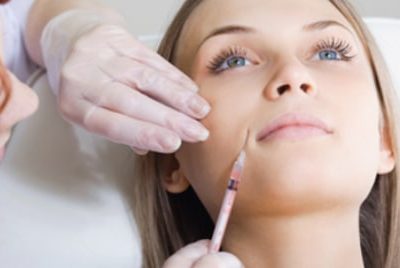
Biostimulator injections typically take about 45 minutes. The skin is cleaned, the face is mapped and product is placed at selected depths. Biostimulators are injected into the dermis layer of the skin. The biological response continues afterward as the treatment tries to stimulate the body’s natural production of collagen. Follow-up helps assess symmetry and whether it makes sense to pair biostimulators with other treatments.
Because the effect develops gradually, same-day photographs do not show the final result. A conservative plan focuses on long lasting results and natural structure rather than chasing instant volume. That slower pace is one of the unique benefits of the category.
Biostimulators occupy a useful middle ground in modern aesthetic medicine: they do not simply fill space, and they are not limited to superficial hydration. Their appeal lies in gradual change, with the skin rebuilding some of its own structural support over time. Results depend on the product, the area treated, the starting skin condition and the technique used, so expectations should stay realistic. For people looking for subtle, progressive improvement rather than an immediate transformation, this approach can offer a natural-looking way to address firmness, texture and early loss of facial support.
They encourage fibroblast activity, which can gradually increase the amount of structural collagen in the skin. The changes usually develop over weeks rather than appearing immediately after injection.
No. HA-based products mainly add hydration or volume, while biostimulators are designed to trigger a regenerative response and improve tissue support over time.
Fillers are generally used for more immediate shaping or volume replacement. Biostimulators work more gradually and focus on improving firmness, structure and skin quality.
Early changes may appear within several weeks, while the more noticeable effect often develops progressively over several months. Timing depends on the product, treatment area and individual response.
Yes, calcium hydroxyapatite is one of the materials used in certain injectable products with biostimulatory properties. Depending on how it is placed and prepared, it can provide structural support while also encouraging new collagen formation.
They can sometimes be included in a broader aesthetic plan alongside fillers, skin treatments or energy-based procedures. The order and timing should be decided by a qualified practitioner based on the areas being treated.
Yes, but combining products or techniques should have a clear clinical purpose rather than simply adding more procedures. A practitioner may separate sessions or use different approaches for volume, skin laxity and texture concerns.