Contents
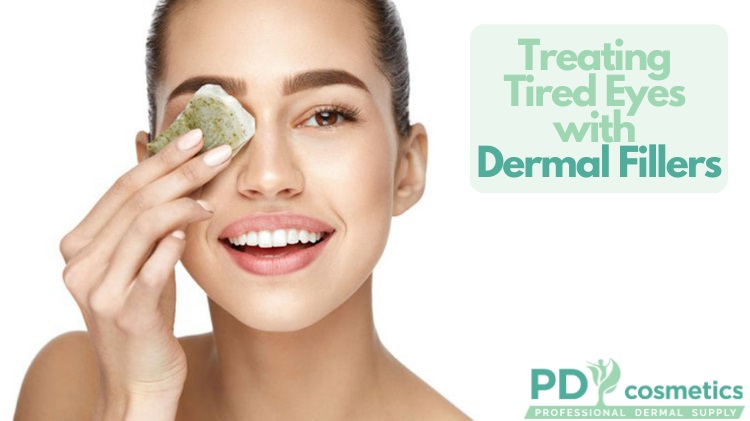
The periorbital area is among the first areas to demonstrate prominent signs of aging. The main reasons are the region’s extreme delicacy and the natural decline in collagen production, which causes skin to lose its elasticity and youthful firmness. However, there is a silver lining for your patients: under-eye fillers can address this issue effectively.
We’ve prepared this blog post to discuss the best injectables for under-eye bags, their benefits, and potential risks to keep in mind and point out to your patients. Let’s dive into the world of natural beauty together with PDcosmetics!
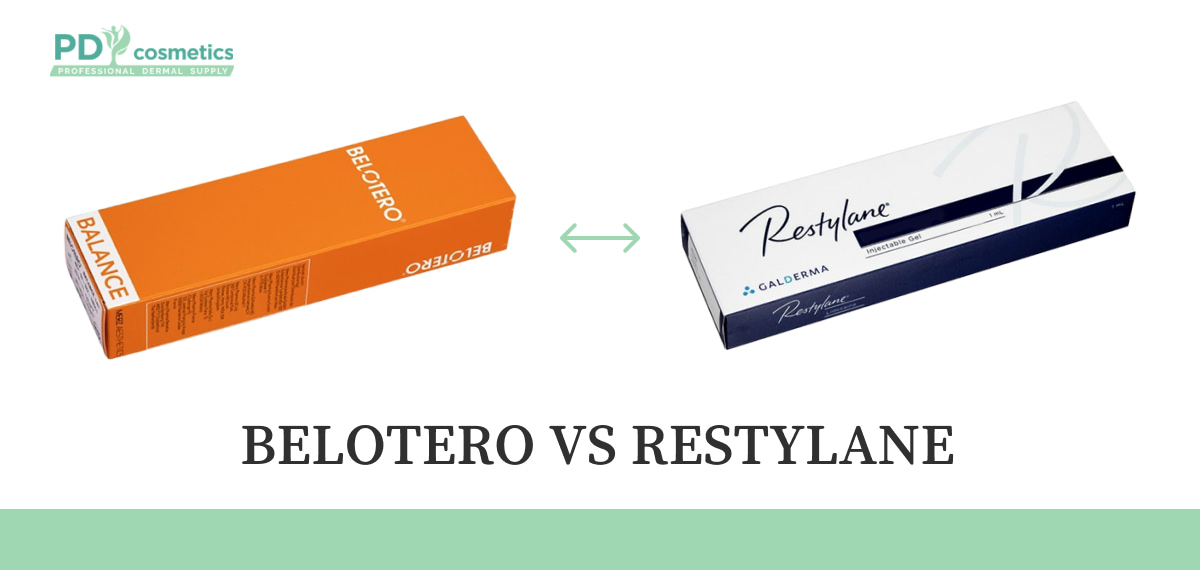
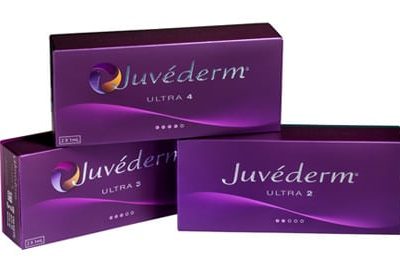
Under-eye treatments include hyaluronic acid injectables that are strategically placed under the skin to deal with various age-related appearance conditions. Among specialists’ favorites are Juvederm, Restylane, and Belotero.
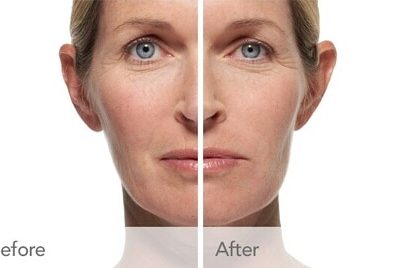
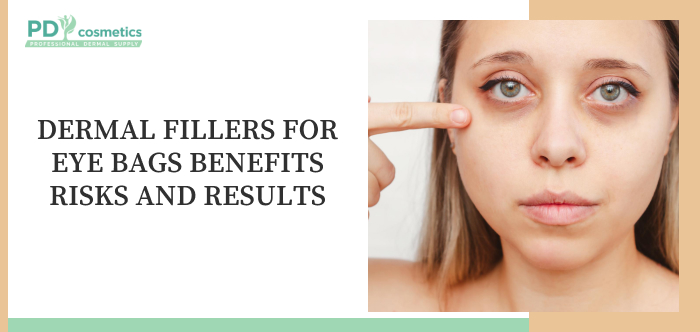
Fillers can create a smoother transition between the lower eyelid and cheek, thus dealing with a sunken appearance. Deeper tear troughs, dark circles, and thinning skin are just a few conditions that can be solved with correctly conducted cosmetic treatment. The skin under the eyes is the thinnest on the face, which is why starting therapy early is crucial to achieving better results with minimal discomfort.
Note to Remember:
The quality of the filler is crucial for the procedure’s success and, as follows, patients’ satisfaction. Only order fillers from trustworthy sources with proven reliability. Don’t let frauds trick you with unrealistically low discounts — your clients’ health is priceless, and you must treat them with high-quality products that will be both safe and efficient.
Before recommending dermal fillers to your patients for smoother skin under the eyes, you must examine their facial anatomy, discuss their health concerns and aesthetic goals, and ensure that using injectable filler is the right step for their cosmetic journey.
Who would be a perfect candidate for such a procedure?
Most people start treatments for the under-eye region in their late twenties or thirties, depending on their facial structure. It is important to set realistic expectations and schedule maintenance treatments regularly to support the effect.
Note: The cost varies based on filler type and provider experience. The procedure requires careful handling and precise injection because there are many blood vessels around the eyes, so it’s important not to accidentally administer the gel there, which could damage the region.

The periorbital area is typically the first to show obvious signs of aging, and there are a few reasons for that. Here are some of them:
There are also alternatives your patients may consider, such as Platelet Rich Plasma (PRP) injections, blepharoplasty, etc. Examine the condition before tailoring the treatment plan.
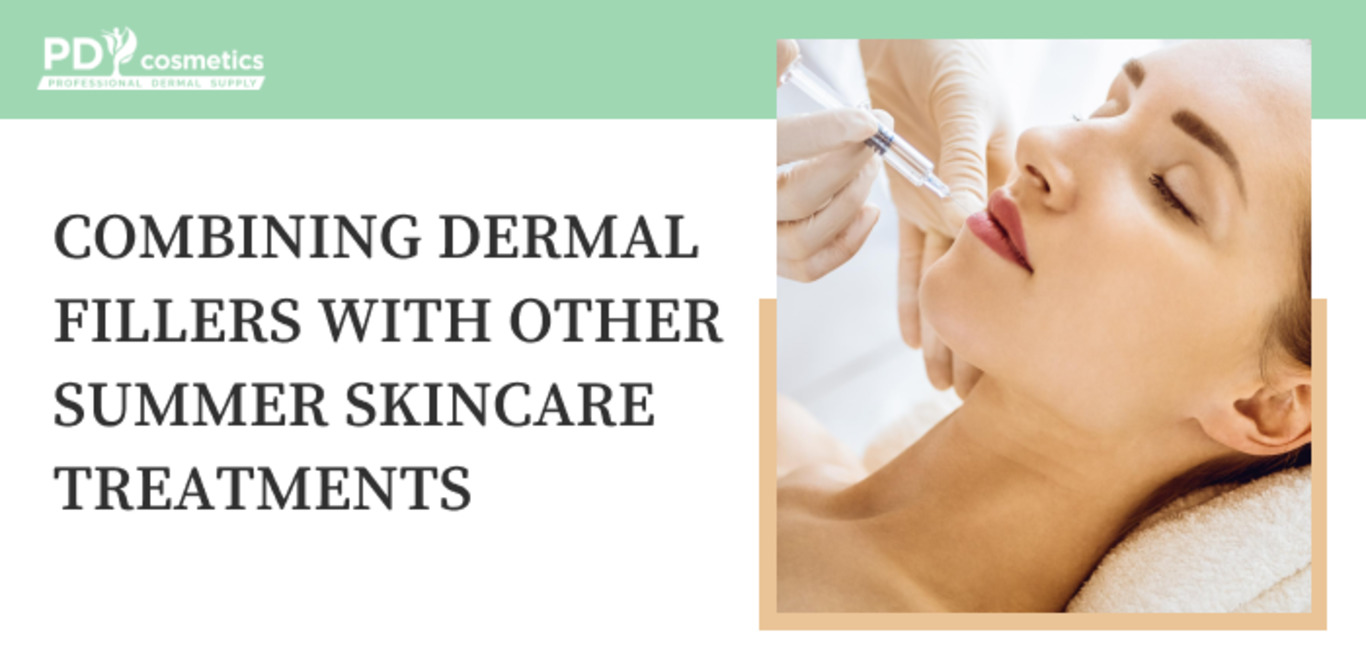
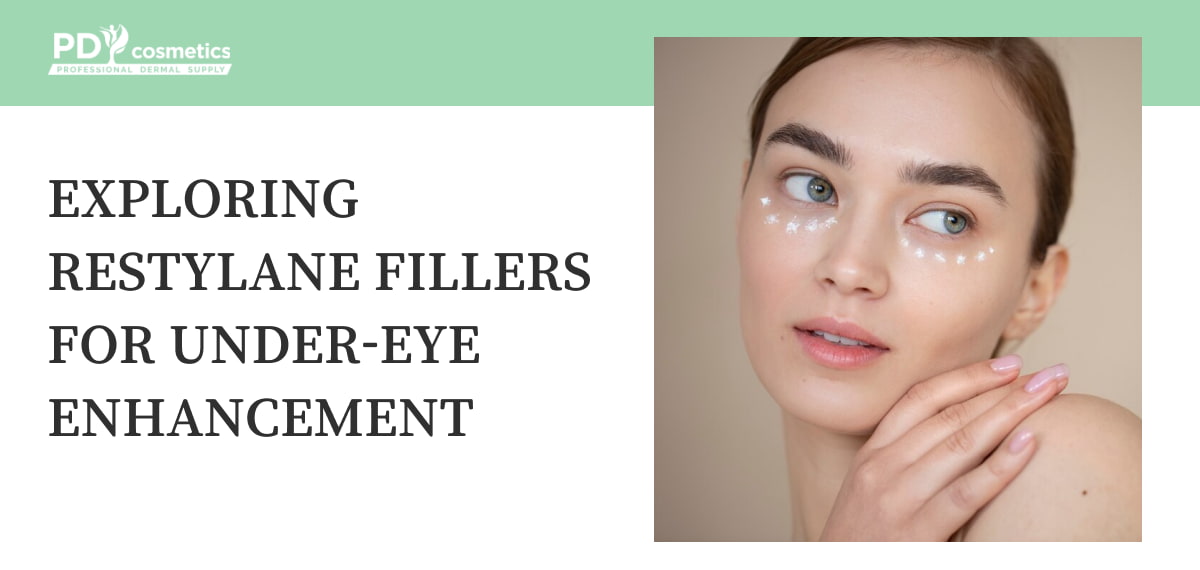
Under-eye fillers are injectable treatments used to restore lost volume and make the transition from the lower eyelid and the cheek more natural-looking. Generally, they use hyaluronic acid in the composition, a substance naturally found in the body that helps hydrate and gently plump the sensitive area.
When administered by a skilled practitioner, under-eye fillers can help:
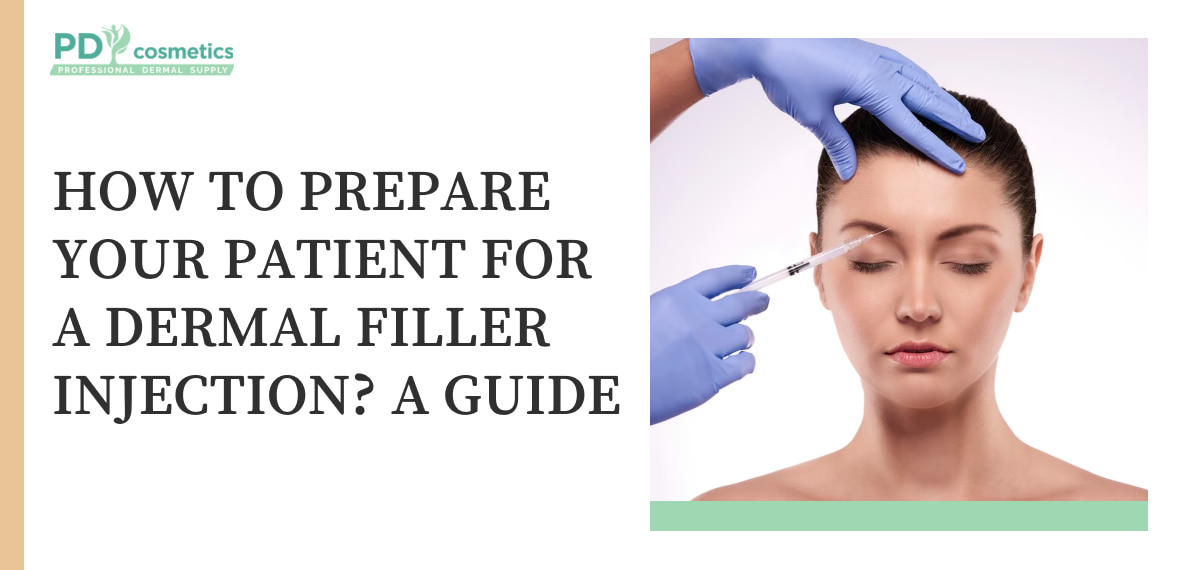
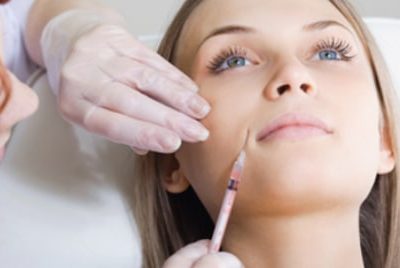
The procedure typically lasts about 15 to 30 minutes, and specialists apply numbing cream to ensure the whole experience is comfortable. This step is crucial for individuals with low pain tolerance.
As for longevity, hyaluronic acid fillers typically last six to eighteen months. Fillers in the tear trough area last longer due to less movement. The results will remain flawless if maintenance injections are scheduled yearly, so be sure to discuss this with your patients to improve their understanding of the procedure.
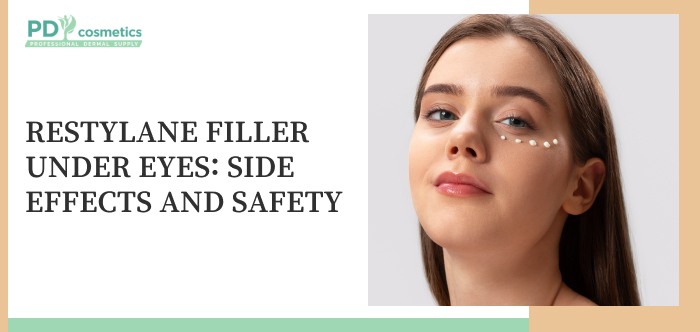
Tear trough fillers must be used with extreme caution, as the area is sensitive and requires delicate handling. Choosing an experienced injector is critical for the safety of under-eye injections. However, if the procedure protocol is followed and all risks are discussed, the process should be safe and free of complications.
Most hyaluronic acid fillers cause minor adverse reactions that tend to disappear rather quickly. Common side effects of under-eye fillers include bruising and swelling, so most patients experience mild and temporary symptoms. A proper aftercare routine post-injection is one of the best ways to have a good experience with under-eye fillers, which is why it’s so important to instruct your patients regarding all the essentials beforehand.
Now, regarding more severe adverse effects. The Tyndall effect can occur if filler is injected too superficially. Some individuals may also experience signs of allergic reactions, painful sensations, and filler migration. All unfortunate symptoms can be controlled with the help of a timely consultation with a medical professional, and in case of filler migration, hyaluronic acid fillers can be dissolved if results are unsatisfactory.
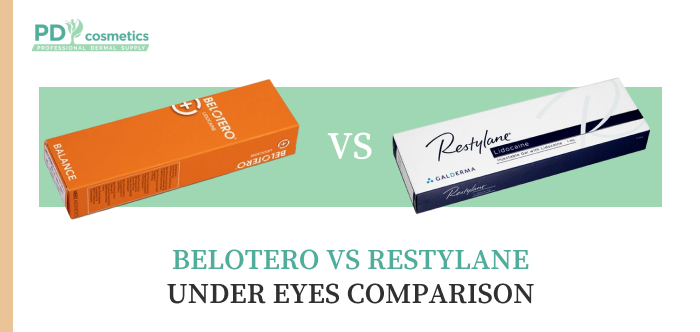
Specialists can choose the best brands for under-eye filler treatments from the many options on the market, but we would like to point out the following: Belotero Balance, Restylane Eyelight, Juvéderm Volbella, and Teosyal Redensity II.
There’s no correct answer to this question because the procedure should be picked based on patients’ needs. Lower eyelid surgery (blepharoplasty) is an invasive procedure that targets herniated fat pads that cause tear-trough deformity rather than volume-loss-related conditions. It removes fat pads and, if required, tightens excess skin, providing more dramatic results than dermal fillers. Injectable fillers are a non-surgical alternative that smooth fine lines and restore lost volume in the treatment site.
The number of units for the procedure varies with patients. The treatment area around the eyes is rather small, so specialists don’t need much to achieve optimal results. Typically, one syringe (0.5 to 1 ml) is enough to fill in hollow tear troughs, restore lost volume, and provide a refreshed appearance. Most patients require a quarter to half syringe per side.
Yes, this procedure is not only valid but also quite popular. It’s a well-known fact that the skin around the eyes is the thinnest on the face and incredibly sensitive, which is why signs of aging become noticeable in that region quickly. Properly placed dermal filler can eliminate dark circles and add volume to sunken areas, reducing visual shadowing and providing a younger-looking appearance.
There’s no specific age when the treatment should be started; everything should be decided based on a patient’s unique features and needs. Some start treatment in their late twenties, when natural collagen and elastin production in the body slows; others prefer to start therapy in their thirties. A schedule should be tailored with an aesthetician in the cosmetic clinic.