Contents
Upper lip threading is one of those treatments that can look almost underwhelming in a before-and-after picture until you look closely at the lip border. The goal is usually more definition, a slightly cleaner outline, and better support around the upper lip rather than obvious added volume. For someone who likes their natural beauty and does not necessarily want the fuller look associated with lip filler, that distinction matters.
The treatment uses dissolvable threads placed beneath the skin in carefully selected areas. They can create a mild lifting or defining effect immediately, while a second part of the result develops more slowly as the body responds around the threads. Changes tend to be subtle, so realistic expectations are essential before deciding whether the technique suits your facial features.
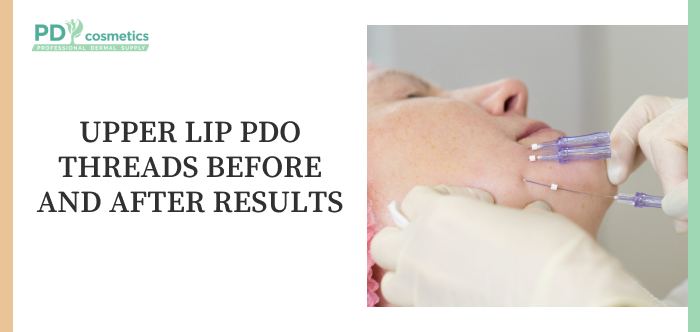
PDO Lip Threading is a minimally invasive cosmetic procedure in which very fine polydioxanone threads are inserted beneath the skin around the lips. PDO is a material that gradually breaks down inside the body. In aesthetic medicine, it is also used in different types of PDO thread lifts, although lip treatment usually involves smaller threads and much less lifting force than procedures performed elsewhere on the face.
A trained practitioner may place lip threads along the vermilion border, around the cupid’s bow, or in another carefully chosen part of the lip area. Placement is usually planned strategically according to lip shape rather than following exactly the same pattern for every person.
Common reasons someone may consider the procedure are:
Traditional fillers normally use hyaluronic acid or another injectable material to physically add volume. Threads work differently. They can provide mechanical support while also triggering a healing response around the treated tissue.
That means someone wanting significantly fuller lips may still prefer filler. Threads tend to make more sense when the objective is to enhance the border, sharpen shape, or produce a discreet structural change. Some clinics combine the techniques, but whether that is appropriate should be determined individually rather than treated as a standard package.
Threading may help with:
It does not usually create the same projection or plumpness as filler. It also should not be confused with treatment for deeper marionette lines, which generally involves a different part of the lower face and may need an entirely different approach.
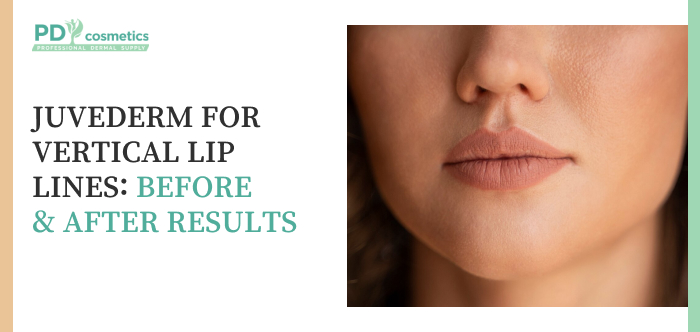
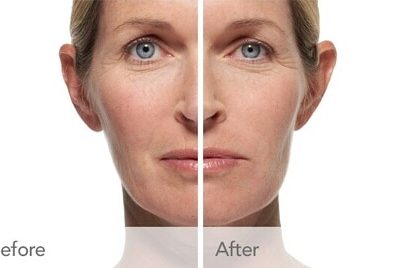
Before treatment, the upper lip may appear relatively flat at the border, with less visible definition between the pink lip and surrounding skin. After the procedure, some people notice a sharper outline almost immediately. The cupid’s bow may look cleaner, and lipstick lines can sometimes appear more precise. Do not judge the final result on the first day. Temporary swelling, redness, or minor distortion can make an early photo misleading. The lip may also feel firm or slightly unusual while the tissue settles around the threads.
In the early before-and-after period, you may see:
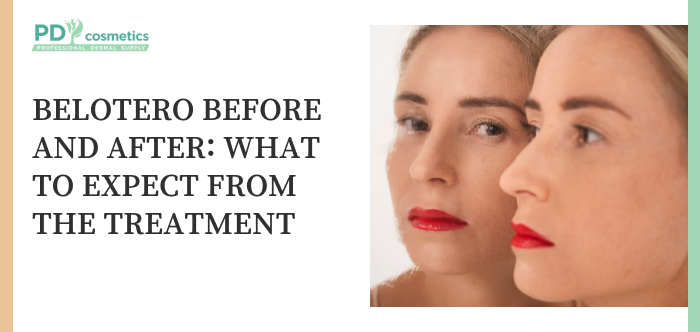
A good before-and-after picture is normally taken in similar lighting, from the same angle, and without dramatically different makeup. Otherwise, a small change in lip position can look much bigger than it actually is.
The lip treatments can easily become noticeable when too much volume is added. PDO threads are not designed to produce the same degree of fullness as a large filler treatment. Their effect is typically more structural.
The best results tend to look like the person’s own lip, only slightly cleaner or better supported. Someone looking at the face may simply think the mouth looks more defined rather than immediately identifying that cosmetic work was performed. Your original anatomy still matters. Threading cannot completely redesign the lips, and a responsible practitioner should explain what can realistically improve before treatment.
There is an early mechanical effect from the placement of the threads and a slower tissue response afterward. The result should not be considered complete during the first few days. Some definition may therefore be visible straight away, while other changes take longer to become apparent.
A typical timeline may look roughly like this:
How long the visible effects last varies depending on the thread type, technique, metabolism, movement around the mouth, and individual tissue quality. Results should therefore be discussed in terms of ranges rather than a guaranteed number of months.
One of the reasons PDO threads are used in aesthetic medicine is their interaction with collagen. After placement, the tissue responds to the threads as they gradually dissolve. This healing response may support new collagen formation around the treated area.
Collagen production post-treatment does not create dramatic lip volume overnight. The change develops gradually and may help improve support and texture around the lip border. It is one reason the appearance can continue evolving after the initial swelling has disappeared. The process is biological, so two patients treated with an identical number of threads may not heal in exactly the same way.
A topical or injected anesthetic may be used before the procedure. The area can become numb, although pressure, pulling, or brief pinching sensations may still be noticeable when the threads are placed. The procedure itself is generally relatively quick, but comfort varies. After treatment, mild tenderness is more common than severe pain. Significant or increasing pain is different and deserves attention from the clinic that performed the procedure.
Even minimally invasive treatment has risks. Before booking, patients should understand possible issues such as:
Serious complications are uncommon but should not be dismissed. Choosing an appropriately trained medical professional and aftercare helps ensure problems are recognized early.
Good aftercare instructions usually focus on allowing the lip area to settle without unnecessary pressure or movement. Exact recommendations vary, so the instructions from the treating clinician should take priority. During the first part of recovery, you may be told to:
It is essential to contact the clinic if swelling, pain, heat, discharge, unusual discoloration, or other unexpected symptoms become worse rather than better. Do not try to reposition or manipulate a thread yourself.
PDO lip threading may suit someone who wants definition without major volume. Skin quality, lip anatomy, previous cosmetic procedures, age, and the person’s expectations all influence whether treatment is appropriate. Previous filler may also affect the plan.
A consultation gives the practitioner a chance to examine lip movement, symmetry, tissue thickness, and medical history. During the visit, ask to see before-and-after images of comparable cases and discuss what result you can realistically expect. It is also worth asking how complications are handled and what follow-up is available if something does not look right.
For clinics and medical professionals who buy PDO threads, product sourcing matters just as much as technique. Threads should come from a professional supplier such as the PD store, with clear information on sterility, material, size, packaging, and intended clinical use.
Your clinic may schedule a routine review after treatment, especially if several threads were used or if the lip required careful correction. This allows the practitioner to check symmetry, healing, and whether the final contour is developing as expected.
A follow-up becomes more important if you notice persistent pain, increasing redness, unusual swelling, visible thread material, skin changes, or new numbness. Cosmetic treatments around the mouth are small procedures, but they are still medical procedures, and unusual symptoms should be assessed rather than ignored.
Yes. A lip lift changes the distance between the nose and upper lip and can expose more of the pink lip, but it is a surgical procedure and produces a different result from thread-based treatments.
It can be, especially when the goal is lip enhancement through better contour and outline rather than a noticeable increase in volume. PDO threads may support the lip border while encouraging gradual tissue remodeling.
A free consultation can be useful for discussing lip anatomy, previous treatments, expected results, and possible risks. It also gives the practitioner a chance to determine whether threads, lip filler, or another approach better matches the desired change.
An upper lip lift surgically shortens the skin between the nose and upper lip, while threading uses dissolvable material placed beneath the skin. The recovery, longevity, risks, and degree of change are therefore quite different.
Not always. Threads mainly improve structure and outline, whereas fillers are generally better suited to adding noticeable volume, projection, or correcting certain types of asymmetry.