Contents
Synvisc-One has a simpler dosing schedule than many people expect. The standard treatment is not a series of weekly appointments: one syringe contains 6 ml of hylan G F 20, and the entire 6 ml is given as a single injection into a knee. It is injected directly into the knee joint by a clinician trained to perform this type of procedure. The dose is not calculated from body weight, age, or the intensity of knee pain.
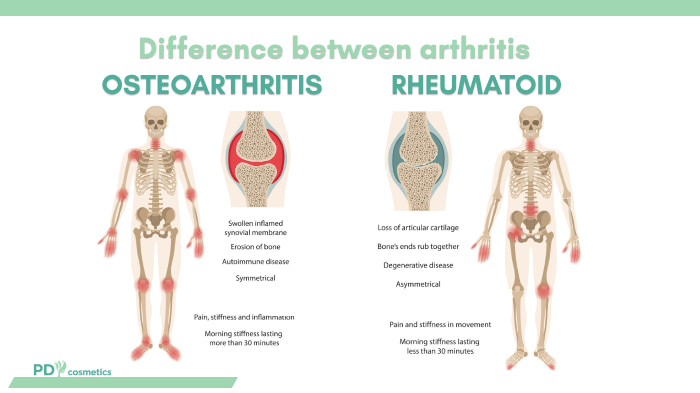
Synvisc-One is used for pain caused by knee osteoarthritis, particularly when simpler approaches have not provided enough relief. It is not an everyday painkiller and does not rebuild damaged cartilage. Instead, the injection is intended to improve the environment inside the joint and reduce OA pain, sometimes for several months.
The usual Synvisc-One dose is 6 ml as one intra articular injection into the affected knee. The syringe contains 48 mg of hylan polymers in 6 ml of fluid, and the full contents are used for the target knee. A smaller dose is not normally selected simply because a person is smaller or has milder symptoms.
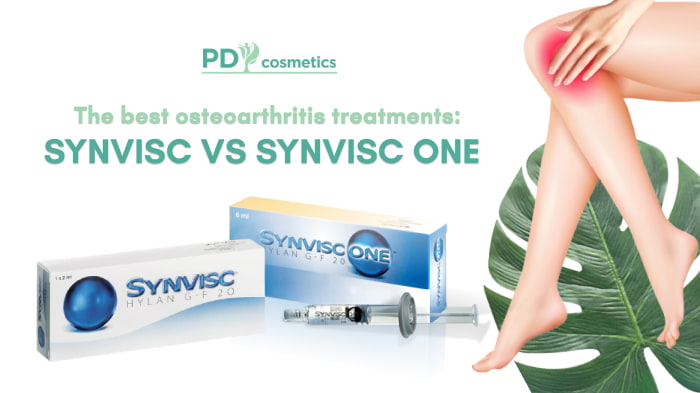
This is an important difference between Synvisc-One and the original Synvisc regimen. Traditional Synvisc injections use three separate 2 ml doses, while Synvisc-One combines those amounts into a single 6 ml treatment. Synvisc-One and Synvisc are registered trademarks of Genzyme Corporation, but their dosing schedules should not be confused. This difference is easy to miss when looking up Synvisc One online, since information about the two products is often shown side by side.
A clinician will inject Synvisc One using sterile technique. If there is a significant joint effusion, or excess fluid inside the knee, that fluid should be removed before the product is administered. The same syringe should not be used for both jobs, so a separate syringe is needed for aspiration rather than using the Synvisc-One syringe to remove fluid.
In practical terms, the appointment usually involves:
The prescribing information specifically warns against using disinfectants containing quaternary ammonium salts at the same time because they can cause hyaluronan to precipitate. This part of the procedure belongs in the hands of a qualified health care professional who is adequately trained in intra-articular injections.

Synvisc-One is a thick, gel like mixture containing hylan A and hylan B. These materials come from a substance called hyaluronan, also known as sodium hyaluronate, which is related to hyaluronic acid. Hyaluronan is a natural substance found in high concentrations in healthy joints, where it contributes to lubrication and shock absorption.
Chemically, hyaluronan consists of long chains of repeating disaccharide units. There is little reason for a patient to memorize the chemistry of those disaccharide units. The useful point is what the material does inside a joint. Natural hyaluronan acts as part of the slippery, cushioning joint fluid that helps the knee work properly during walking, bending, and other everyday movement.
Synvisc-One does not simply contain ordinary joint fluid taken from another source. Hylan G F 20 is a specially processed form of hyaluronan with properties designed to resemble some of the viscosity and elasticity of healthy synovial fluid. The product is derived from chicken combs, which is why allergies involving avian proteins matter when treatment is being considered.
It is useful to tell the clinician about previous reactions to poultry, eggs, feathers, or other bird proteins before the procedure. Such an allergy does not automatically predict exactly what will happen after an injection, but the official labeling advises caution. A history of allergic reactions to Synvisc, Synvisc-One, or other hyaluronan based products is more important because known hypersensitivity to hyaluronan preparations is a contraindication.
The FDA-approved indication is quite specific. Synvisc-One is intended for pain from osteoarthritis of the knee in people who did not respond adequately to conservative nonpharmacologic therapy and simple analgesics, such as acetaminophen. It is therefore usually considered after at least some of the easier, less invasive approaches have already been tried.
Those earlier or accompanying non drug treatments may include:
Synvisc-One is approved for the knee rather than for every painful joint. Its safety and effectiveness have not been established for injections into locations other than the knee, so hip, shoulder, ankle, or hand pain should not simply be treated in the same way.
Synvisc-One is meant to reduce symptoms rather than cure osteoarthritis. Some people notice improved comfort with walking, stairs, or everyday movement, while others get little benefit. Relief also does not necessarily appear immediately after the injection, so the first day or two should not be used to judge whether treatment has worked.
In the main study used for approval, a single 6 ml injection provided symptomatic benefit over a 26-week follow-up period. This is why Synvisc-One is commonly described as potentially providing relief for up to six months, although that duration should not be treated as a promise for every patient. The clinical trials provide an average picture across groups. An individual knee may respond for a shorter period, a longer period, or not meaningfully at all.
A second injection is not automatically scheduled at a fixed date like a vaccine booster. In the repeat-treatment phase of the pivotal study, some patients who again had knee pain at week 26 received another Synvisc-One injection. A clinician can decide whether repeating treatment makes sense based on the previous response, current symptoms, examination, and alternative other treatments.
Persistent or severe pain should not simply lead to repeated injections without reassessment. Pain may have progressed because of osteoarthritis, but another problem, such as significant inflammation, injury, infection, or another joint disorder, can also change the treatment plan.
The most familiar reactions happen around the treated knee. Temporary injection site pain, swelling, warmth, redness, stiffness, or fluid build up can occur after an injection. In the official patient information, these reactions are described as generally mild and usually short-lived, although some people need pain relief, aspiration of excess fluid, or other treatment.
Reported injection-related effects include:
An increase in pain immediately after an injection does not necessarily mean the product has failed. Still, rapidly increasing swelling, marked heat, fever, worsening severe pain, or difficulty bearing weight deserves medical attention rather than simply waiting several days.
Rare systemic reactions have also been reported. These include rash, hives, itching, facial swelling, breathing difficulty, dizziness, fever, and other hypersensitivity symptoms. Allergic reactions can be potentially severe, so signs such as swelling of the tongue or throat, trouble breathing, or widespread hives require prompt medical assessment.
Rare knee joint infections have been reported after joint injections. Synvisc-One should not be injected when an active knee infection is present or when skin diseases or an infection affect the skin near the intended injection site. Proper sterile technique matters because an intra-articular procedure creates a direct route into the joint.
Certain medical details should be discussed before the appointment rather than after the syringe has been prepared. The product has not been adequately established for severely inflamed knee joints, and extra caution is advised when the leg has lymphatic or venous stasis. People with significant leg swelling or a history of blood clots should make sure the treating clinician knows about it.
Important points to mention before treatment include:
Safety and effectiveness have not been established in pregnant women. It is also unknown whether the product is excreted in human milk, and adequate safety data are not established for nursing mothers. These gaps do not prove that harm will occur, but they are reasons for an individual discussion before treatment.
The knee does not need to be completely immobilized after treatment. Normal light daily movement may be possible, but official guidance recommends avoiding strenuous activities and prolonged weight-bearing for about 48 hours. Running, tennis, high-impact exercise, or a demanding leg workout is therefore better postponed until the knee has settled and the treating clinician says it is reasonable to resume.
Mild soreness or swelling can sometimes be managed with rest and an ice pack if the clinician has not advised otherwise. The important distinction is between ordinary post-injection discomfort and symptoms that are becoming progressively worse. A dramatically swollen, hot knee or systemic signs should not be dismissed as a normal reaction.
Contact with the treating office is sensible when discomfort is substantial, does not begin to improve, or interferes noticeably with walking. New skin discoloration or open sores after treatment should also be reported, as the labeling includes reports of skin injury after intra-articular use of hyaluronic acid products.
Urgent assessment is more appropriate for signs such as:
There is usually no need for a patient to decide how many milliliters to request. Synvisc-One comes as a single-use syringe designed to deliver the complete 6 ml dose to a knee. If both knees have osteoarthritis, treatment planning should be discussed separately with the clinician rather than dividing one syringe between two joints. The manufacturer specifically directs that the full 6 ml be injected into one knee only.
It is also worth arriving with a realistic idea of what Synvisc-One can and cannot do. It may reduce knee OA symptoms and make everyday movement easier, but it does not reverse structural osteoarthritis, guarantee six months without pain, or replace every other part of knee care. Exercise, weight management when relevant, physical therapy, analgesics, and other treatments may still remain part of the plan.
The above information covers the practical points most people need before a Synvisc-One appointment, but it is not a complete list of contraindications, precautions, and possible adverse effects. The exact decision to use the injection, and whether or when to repeat it, depends on the condition of the knee, prior treatment response, medical history, and examination by the treating professional.
It may help reduce discomfort when knee osteoarthritis has not responded well enough to options such as exercise, physical therapy, or simple pain relievers. The injection is placed directly into the affected knee joint by a trained healthcare professional.
Standard Synvisc injections are usually given as a series of three injections, while Synvisc-One is designed as a single 6 ml treatment. Both products are registered trademarks associated with the same hylan-based treatment family.
Synvisc-One is a hyaluronan-based product designed to supplement the natural cushioning and lubrication inside the joint. People with a history of allergic reactions to hyaluronan products or certain avian proteins should discuss this before treatment.
Clinical trials found that a single Synvisc-One injection can provide pain relief for some people for several months. Results vary, so the response cannot be predicted exactly for each patient.
An intra articular injection is placed directly into the space inside a joint rather than into a muscle or under the skin. A qualified clinician will inject Synvisc One into the affected knee using sterile technique.
Synvisc-One is intended for people with osteoarthritis of the knee whose pain has not improved enough with conservative treatments and simple analgesics. A clinician will also check for infection, significant inflammation, allergies, and other factors.