Contents
The variety of aesthetic treatments in the beauty industry allows many people to find the perfect option for themselves and develop a procedure protocol according to their needs to achieve desired outcomes. Non-surgical procedures become increasingly popular compared to surgical option due to the hustle culture that has become a new norm; patients seek efficient and quick solutions with minimal downtime to look good, yet stick to their busy schedules.
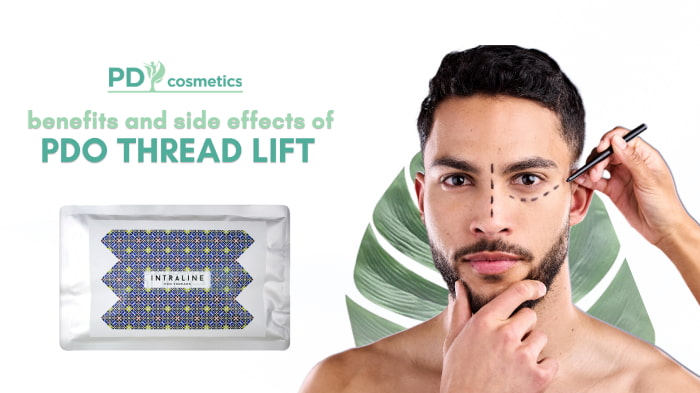
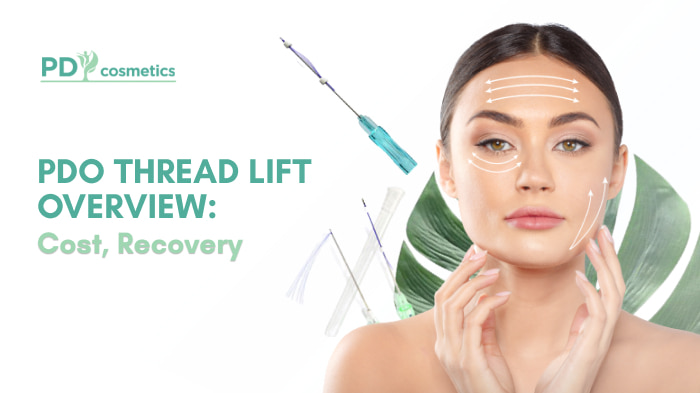
One of the highly demanded procedures is PDO threads — a minimally invasive alternative to surgical facelifts. They are popular for creating a lunchtime facelift effect and can be used for lifting, smoothing, and contouring applications. In this blog post, we would like to discuss whether PDO threads are as effective as people say by highlighting the main points about the treatment, including target areas, expectations, and commonly asked questions.
PDO thread lifting is a popular treatment for tightening sagging skin, enhancing facial contours, and improving skin quality in general. They are effective for subtle to moderate improvements in skin laxity. The procedure is minimally invasive and performed under local anesthesia; however, threads can also be used in surgical procedures due to their high biocompatibility. Patients treated with threads can expect immediate improvement, with the results that develop over time.
It is important to note that products used in the clinic must always be of pristine quality, which is why selecting a supplier is crucial. Buy PDO threads online from reliable companies, such as PDcosmetics, to guarantee a safe experience for all your patients. The same goes for other cosmetic products, such as dermal fillers and botulinum toxins.
PDO thread lifting can help enhance and rejuvenate several areas of the face and neck, including the forehead, temples, cheeks, chin, neck, and décolletage. Setting realistic expectations for the treatment is crucial because, even though threads can provide a more youthful appearance while lifting sagging skin, it’s still not a surgery, so the changes won’t be as dramatic.
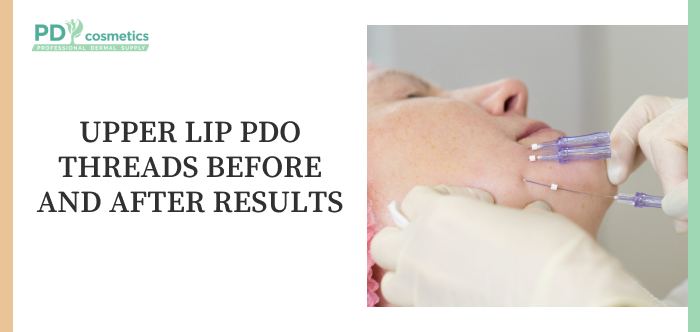
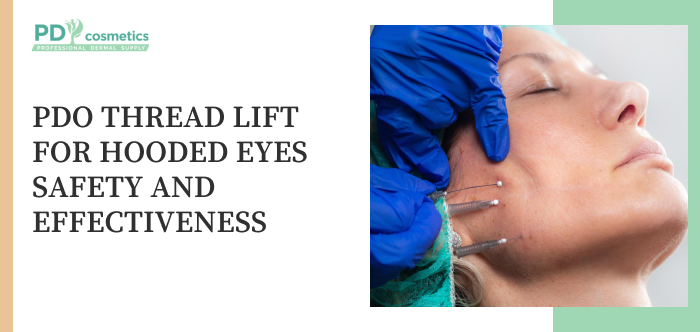
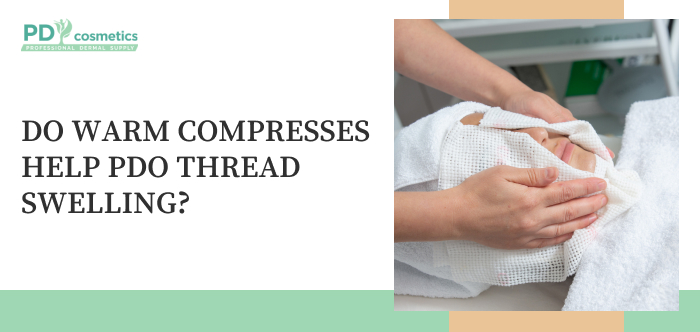
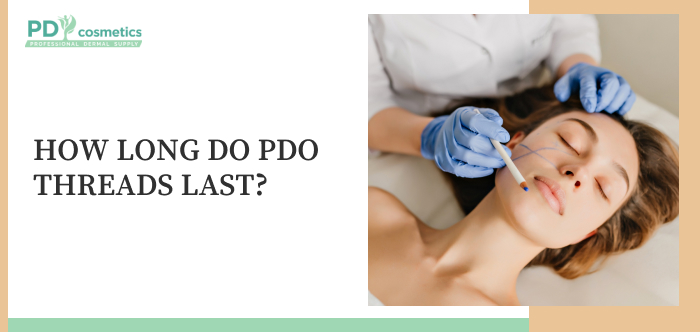
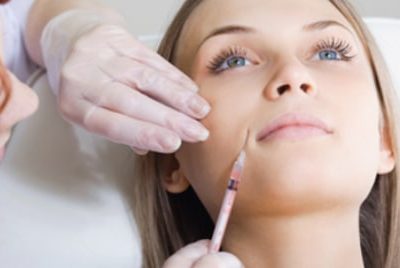
During the procedure, specially designed barbed PDO threads are inserted beneath the skin to gently lift and tighten the tissues while stimulating collagen production in the treated areas. The treatment itself takes less than an hour, and patients can return to their routine right afterward. We’d recommend applying a cold compress to reduce swelling after the insertion. Smooth PDO threads do not damage the facial muscles or surrounding tissues, so natural facial movement and expressions are preserved.
One of the main benefits of minimally invasive treatments such as PDO threads is ongoing collagen stimulation. They provide a dual-action effect: mechanical lift and collagen stimulation. Once the thread is inserted to tighten skin, it triggers the body’s natural healing response to produce new collagen and elastin. This process is called neocollagenesis, and it improves skin tone and texture even after the threads dissolve, providing long-term collagen stimulation and improving skin for months.
The best thing about thread-lift procedures is their minimal downtime. The treatment provides immediate lifting and facial rejuvenation, and the results last for a long time, especially if maintenance treatments are scheduled in a timely manner.
In order to get better results, we recommend following a few simple pieces of advice (inform your patients about them once the procedure is finished):
These precautions should be followed for approximately 7 to 10 days, or until the skin has fully healed and any temporary side effects have subsided. Ignoring the aftercare guidelines may increase the risk of infection, inflammation, and unsatisfactory results.
PDO thread lift offers excellent results in a shorter amount of time than a traditional facelift. It helps with loose skin, eliminates lines and wrinkles, and provides a more snatched look to the face. The procedure typically takes 30 to 60 minutes to complete. Most patients can return to work the same day after treatment, but some adverse effects are still possible, so taking a day-off is recommended for a better experience. Mild swelling and bruising typically last 2-3 days post-procedure; the longevity depends on individual skin peculiarities and the patient’s body’s unique features.
As for the longivity, PDO threads dissolve within six months after insertion, and the results can last 12 to 18 months (up to 24 months with proper care). The frequency of the treatment varies in different patients, so calculate the plan according to one’s unique needs.
No, the procedure is painless and is conducted with a local anesthetic to make the experience more comfortable. Choosing a qualified practitioner is important to minimize complications. Minor complications occur in 15-20% of procedures, including swelling and bruising. As for the harsher adverse reactions, inflammation and hematoma can occur post-treatment.
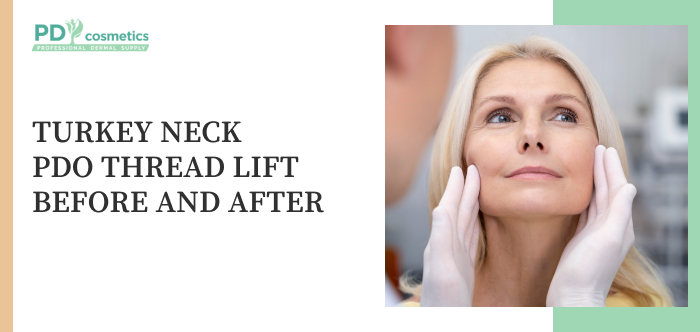
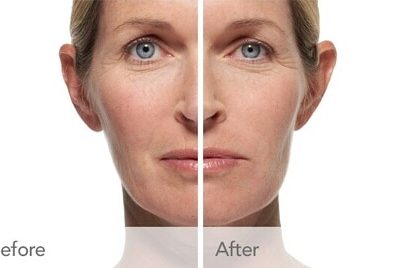
PDO threads can improve the appearance of aging skin by gently lifting mildly sagging tissue and stimulating collagen production. They may help define facial contours and reduce early jowls, fine lines, and mild skin laxity. Candidates for PDO thread lifts typically have mild to moderate facial or neck sagging.
PDO thread lifting can be combined with dermal fillers to achieve more comprehensive facial rejuvenation. These treatments work in different but complementary ways: PDO threads lift and tighten sagging tissues, while dermal fillers restore lost volume, smooth wrinkles, and improve facial contours.
After a PDO thread lift, it is important to protect the treated area and allow the threads to settle properly. During the initial healing period, avoid touching, rubbing, pressing, or massaging your face unless your practitioner advises otherwise.
PDO thread lifting may be suitable for adults who want a subtle, non-surgical improvement in facial or neck contours. It generally works best for people with mild to moderate skin laxity, early jowls, slightly sagging cheeks, or reduced definition around the jawline. There’s no restriction by age, except that patients must be older than 18 years old; however, we recommend PDO thread lifting for older patients who have noticed a significant decrease in collagen and elastin production.
Facelifts are surgical and involve longer recovery times, while PDO threads have minimal downtime, usually 2-3 days. Treatments that include threads are also more cost-effective and faster; therefore, more patients lean towards this procedure.