Contents
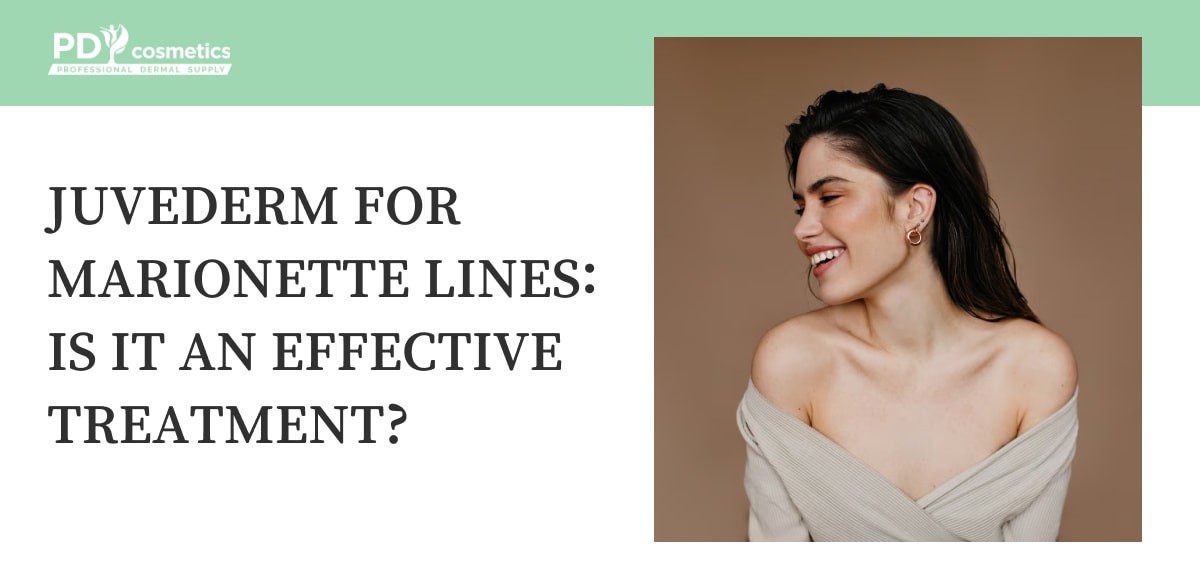
Smile lines, also known as nasolabial folds, can become more noticeable long before the rest of the face shows significant aging. Initially, they appear only during laughter or conversation, but over time, the creases running from the nose toward the corners of the mouth may remain visible even at rest. Juvederm offers a nonsurgical way to soften these folds while preserving natural facial movement.
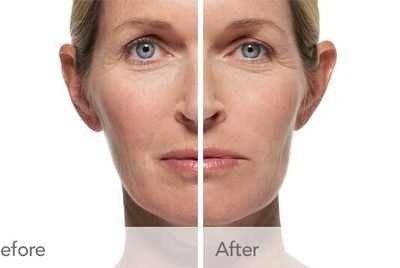
The difference between before and after treatment is often subtle but meaningful. Rather than removing every line or wrinkle, the goal is to restore support beneath the skin and create a smoother transition between the cheeks and lower face.
Patients often notice changes around their mouth when makeup settles into deeper folds or the lower face begins to look tired. Repeated muscle movement from smiling creates mechanical creases. Progressive volume loss in the cheeks, declining skin elasticity, and changes in facial fat distribution can make nasolabial folds more pronounced.
The concerns discussed during a consultation usually include:
Some patients worry that dermal fillers will make their cheeks look plumper than intended. Others wonder whether filling smile lines will change their expressions. A careful assessment helps establish what is realistic, particularly when the folds are partly caused by skin laxity rather than a lack of volume.
The consultation begins with an examination of facial proportions, skin condition, and the depth of the folds. A qualified injector will assess the treatment areas while the patient talks, smiles, and relaxes their face. This provides a better understanding of how the skin moves. Licensed clinics that buy Juvederm through authorized distributors can maintain reliable product sourcing and traceability. This is an important part of treatment quality, alongside proper storage, careful product selection, and professional injection techniques.
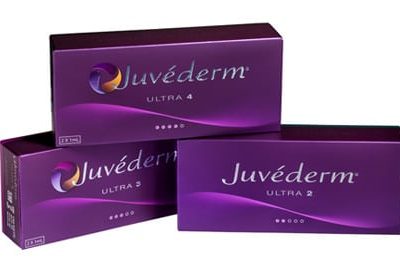
Juvederm includes a collection of products containing hyaluronic acid, a substance naturally found in the body. Hyaluronic acid attracts and binds water molecules, helping the skin retain moisture and supporting the volumizing effect of the filler. Certain formulations, including Juvederm Vollure XC, are designed to fill moderate to severe facial folds. Product selection depends on tissue thickness, the desired correction, and the amount of support required. Unlike procedures intended to stimulate collagen production, hyaluronic acid fillers provide volume directly.
Before treatment, patients should discuss:
This is also the time to address concerns about overfilling. An experienced practitioner will explain how much product may be necessary without promising complete removal of every crease.
On the day of treatment, the clinician cleans the skin and may mark the intended injection points. Some Juvederm formulations contain lidocaine to improve comfort, although additional topical anesthetic may be applied.
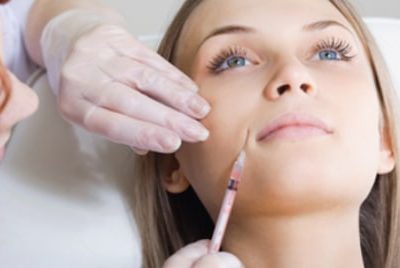
A fine needle or cannula is used to inject the filler at the appropriate tissue depth. The practitioner works carefully around the nasal area and mouth, adjusting placement according to facial anatomy. The procedure often takes less than an hour, depending on its complexity. Patients may feel pressure, a brief pinch, or mild tenderness. Intense pain is not a normal response and should be reported immediately.
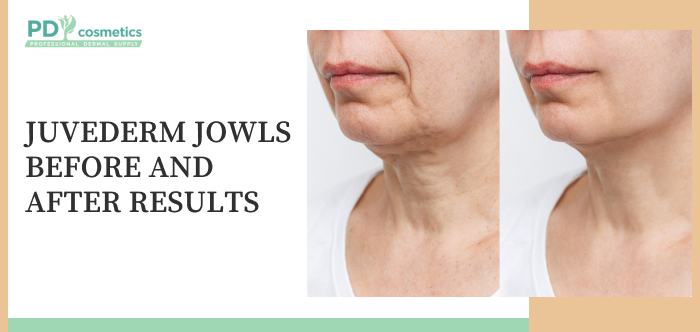
The earliest results are usually visible as soon as the injection process is complete. Smile lines may look shallower, and the transition between the cheeks and mouth often appears smoother. However, initial swelling can temporarily exaggerate the correction.
Common early reactions usually include:
Most people can return to ordinary activities soon afterward. Clinicians commonly recommend avoiding strenuous exercise, excessive heat, and alcohol for the first 24 hours to help limit swelling and irritation.
By the end of the first week, much of the initial swelling has often improved. The filler may feel softer, and minor injection marks usually become less noticeable. Patients can start to appreciate the correction without the distraction of immediate post-treatment reactions.
The folds typically appear less pronounced, especially when the face is relaxed. The aim is not to erase natural movement but to reduce the depth of static creases. Results can differ between the two sides because facial anatomy is rarely perfectly symmetrical. Keeping expectations realistic matters more than attempting to achieve identical contours at every angle.
At approximately two weeks, many patients have a clearer view of their results. Remaining swelling may continue to settle, and the practitioner can evaluate whether the correction is balanced. Most patients see peak improvement in smile lines after one month. A follow-up visit may be appropriate before deciding on additional filler. By weeks three or four, patients can usually better assess:
The treated region should not feel excessively tight or look unnaturally inflated. If the correction is incomplete, further treatment can be discussed rather than immediately adding more product. If a patient is unhappy with the results or develops persistent lumps, Juvéderm can be reversed using an enzyme called hyaluronidase to dissolve the hyaluronic acid filler and correct the irregularities.
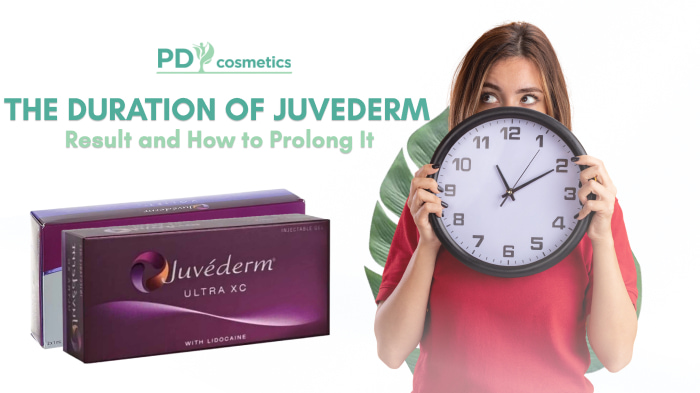
Juvederm works by adding support beneath facial folds, but its effects are temporary. Depending on the formulation and individual factors, results may last several months to over a year. Juvederm Vollure XC has demonstrated improvement lasting up to 18 months in clinical studies, although not everyone maintains the same result.
The outcome also depends on the severity of the original creases, the amount injected, and changes in facial tissue over time. Someone who started with mild folds may achieve a smoother appearance than a patient with substantial skin laxity. Maintenance appointments can help preserve the correction, but treatment should be guided by the current appearance rather than a fixed schedule.
Bruising, swelling, and temporary soreness are familiar after injectable treatment. Less common complications include infection, inflammatory nodules, and persistent asymmetry. Certain symptoms require immediate medical attention:
Accidental injection into a blood vessel can cause serious tissue damage and, rarely, vision loss or stroke. Patients should learn these warning signs before treatment rather than waiting until a complication develops.
A successful smile line correction usually makes the lower face appear more rested without changing its character. The folds may remain visible during a broad smile, which is entirely compatible with a natural-looking result.
The most satisfying outcome is often a modest improvement that develops from careful placement and realistic expectations. Juvederm can soften facial creases, but it cannot completely reverse aging or replace surgical treatment when significant skin laxity is present.
Juvederm uses hyaluronic acid to restore volume beneath facial folds, making smile lines appear smoother. Most patients can walk out of their appointment with an immediate, though not yet fully settled, improvement.
Juvederm can noticeably soften deep creases, but complete removal is not always realistic. The best step forward depends on the severity of the folds and the condition of the surrounding skin.
Mild swelling and bruising are common during the first few days and usually improve without intervention. Severe pain, unusual discoloration, or visual changes require immediate medical attention.
Juvederm restores lost volume but does not stop natural aging or directly stimulate collagen production. Its effects gradually fade as the body breaks down the filler.
Depending on the Juvederm formulation and individual response, results may last several months to over a year. A clinician can assess whether another treatment is appropriate rather than recommending a fixed schedule.
A consultation today typically includes an assessment of facial anatomy, medical history, and the desired correction. The injector will explain suitable products, expected outcomes, and potential risks before treatment begins.